


Market Overview - Page 3
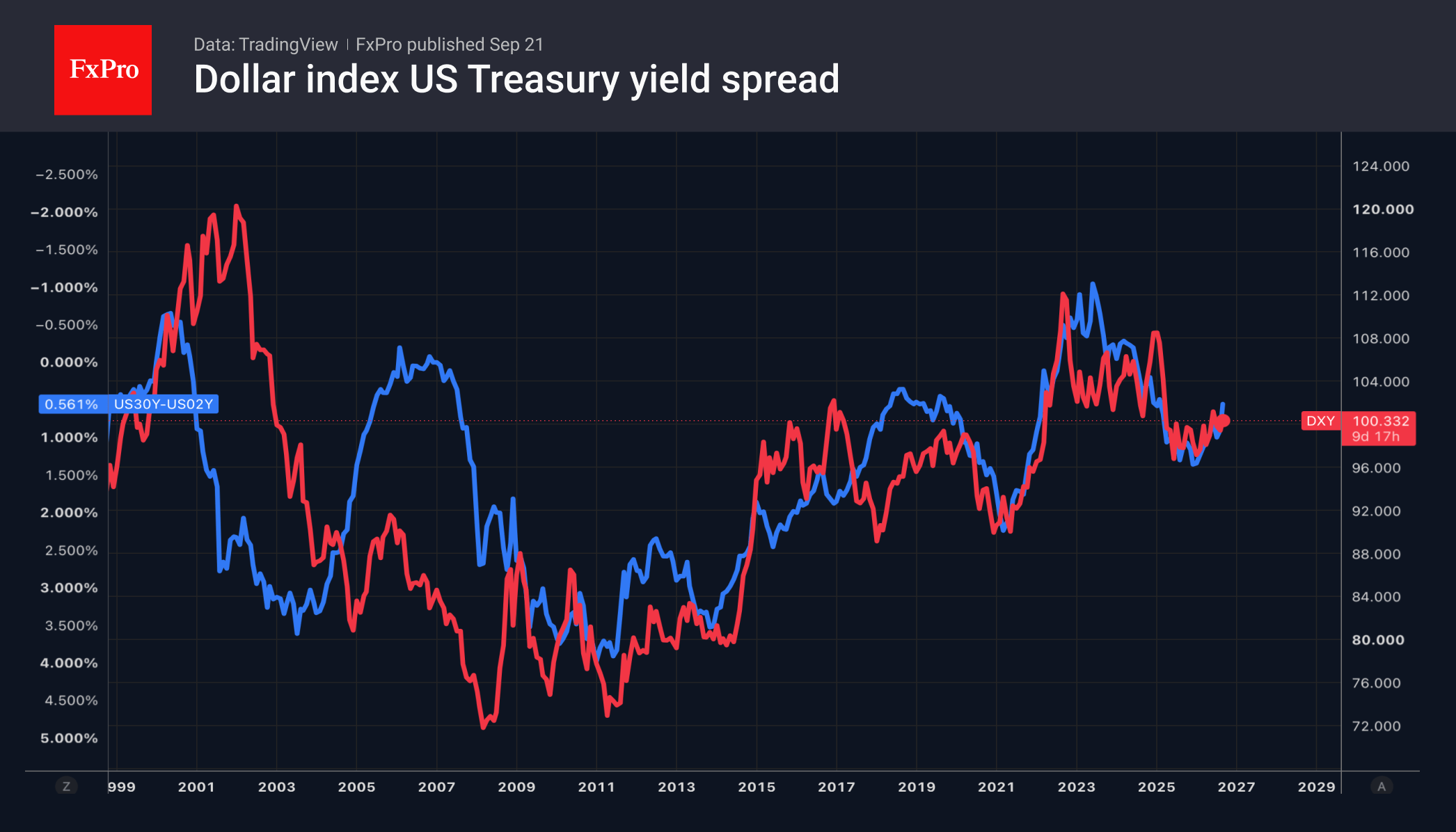
September 21, 2026
The euro is finding support from reassessments of interest rates by the Fed and the ECB, while the yen's return as a funding currency is helping EURUSD hold its ground.
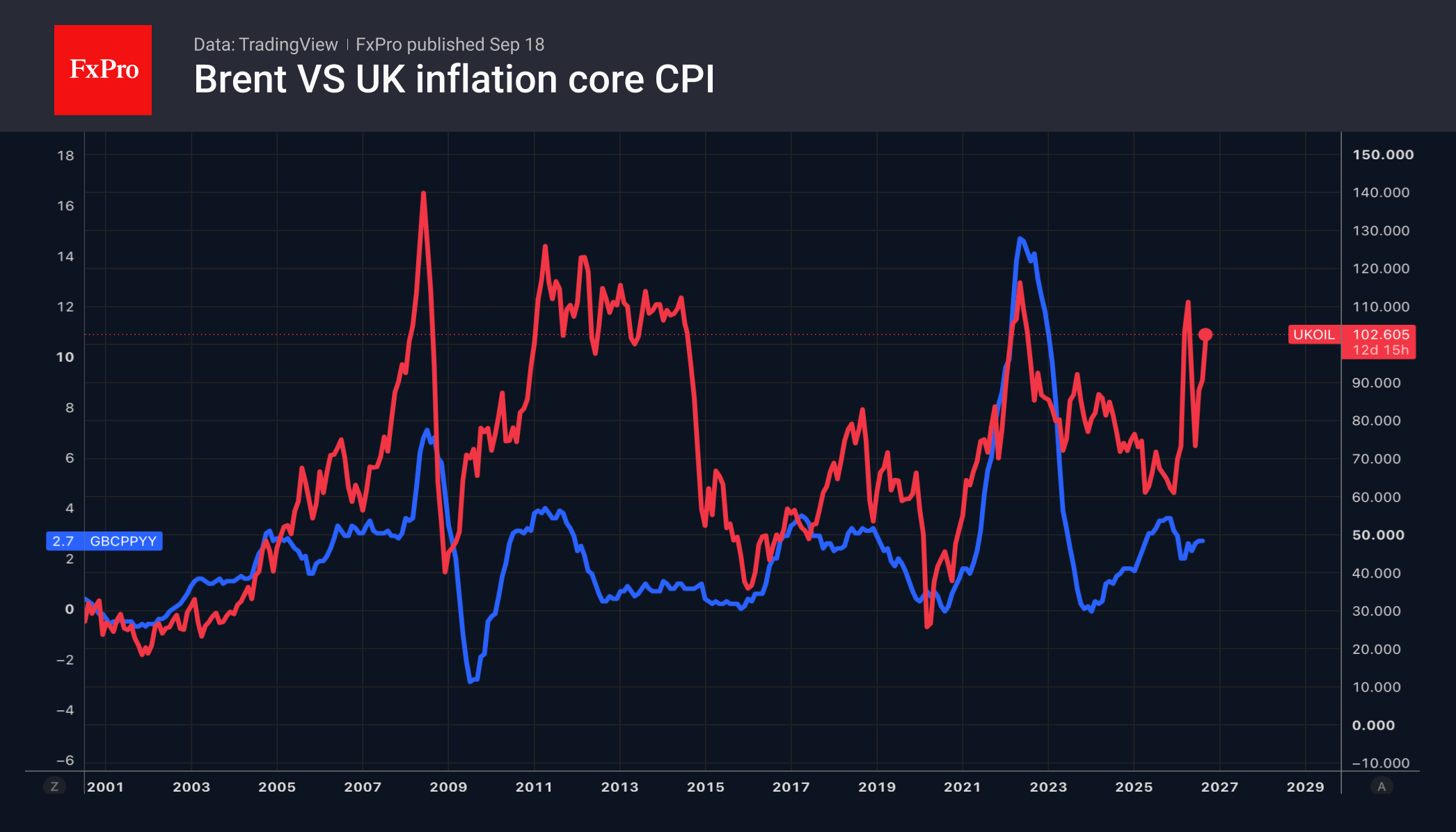
September 18, 2026
The dollar is gaining on the hawkish Fed, slower BoE, and BoJ; USDJPY is nearing the zone where intervention risks rise.
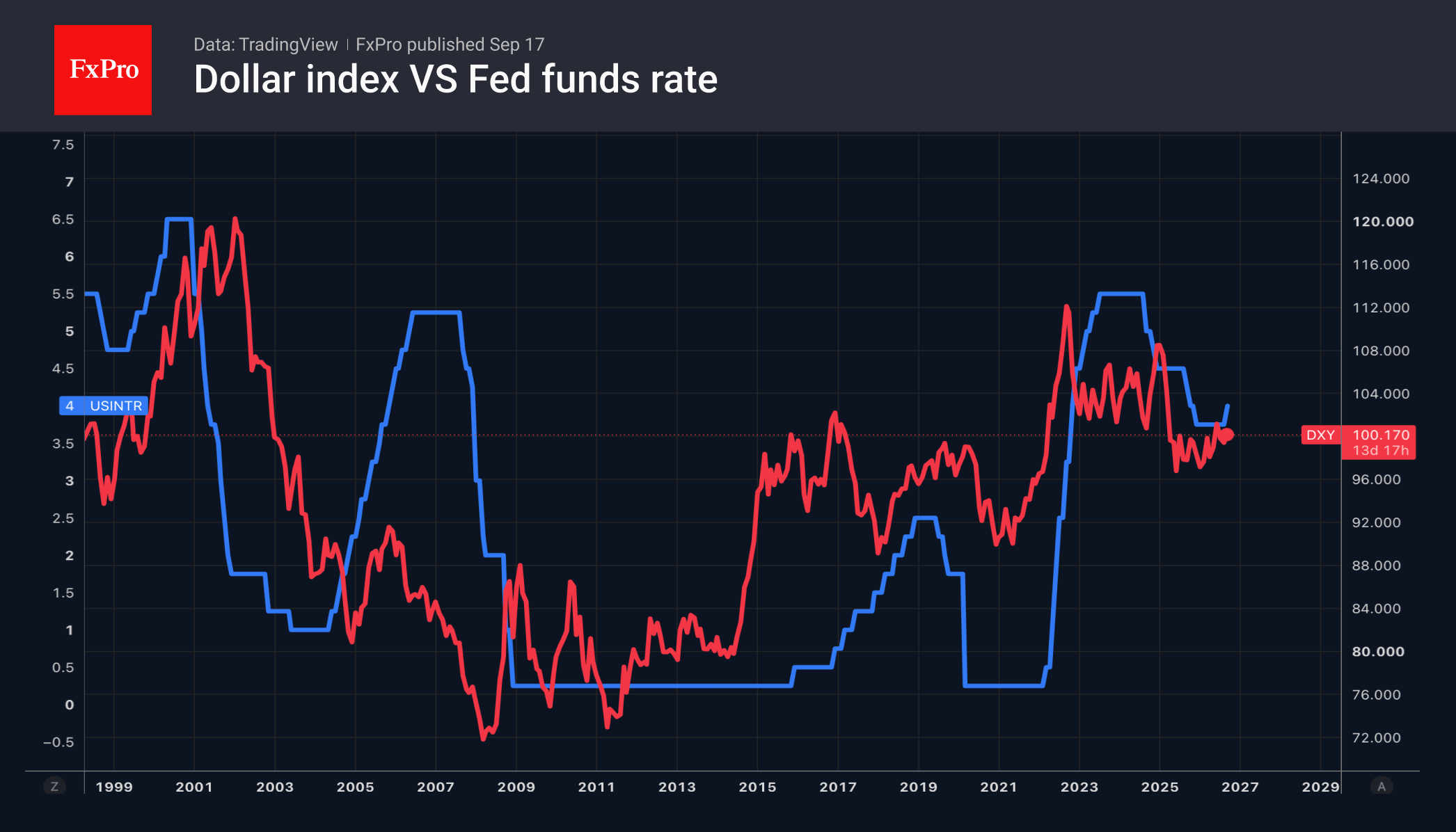
September 17, 2026
The Fed has raised rates and strengthened the dollar; the Bank of England may respond with a hawkish signal, supporting the pound.
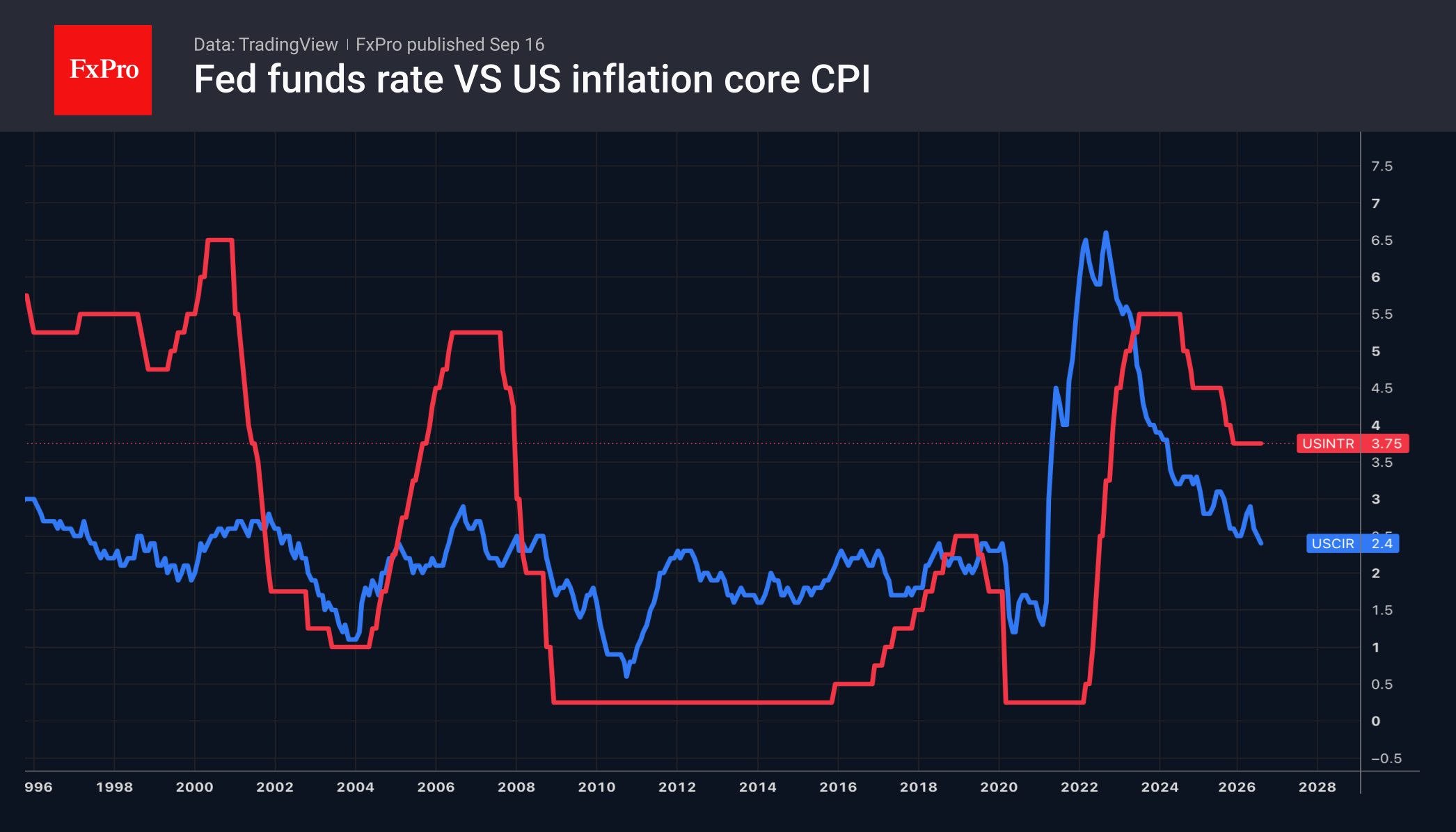
September 16, 2026
The Fed may begin a hiking cycle; the dollar will only gain ground if the signals are more hawkish; otherwise, a correction is likely.
September 15, 2026
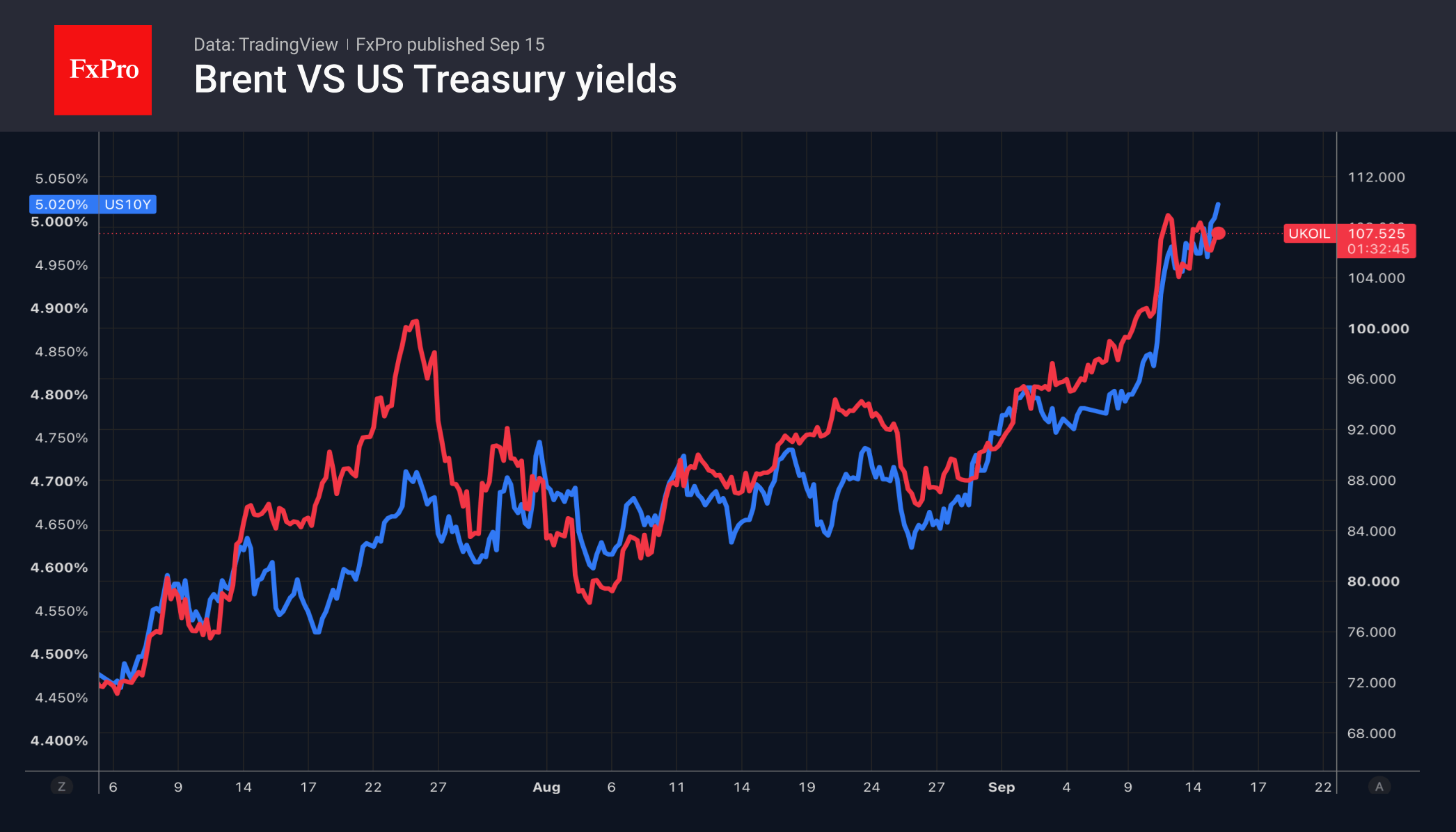
The rise in Brent prices, driven by supply disruption risks from Saudi Arabia, is pushing up Treasury yields and the dollar, thereby fuelling inflationary expectations.
September 14, 2026
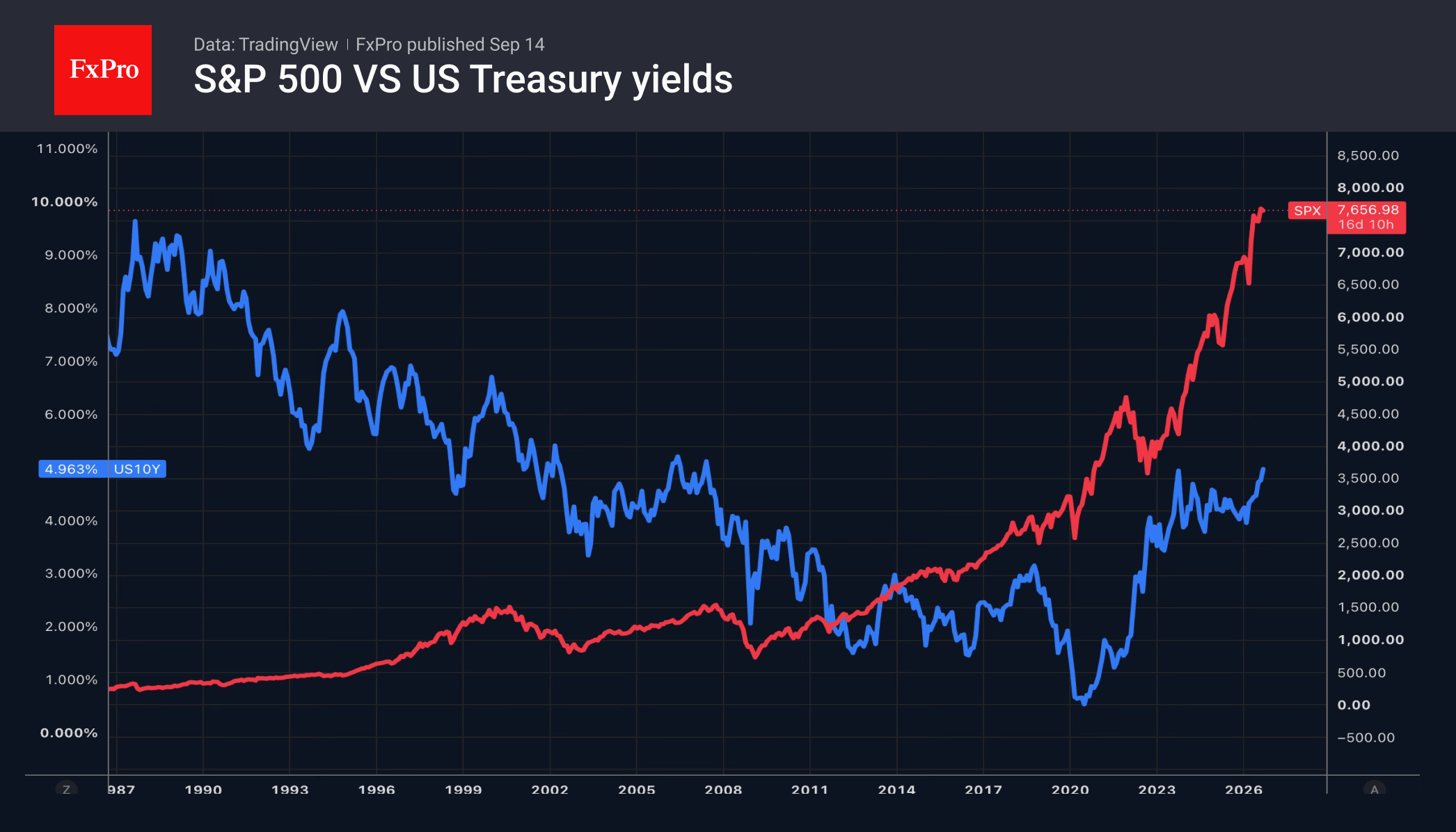
The S&P 500 is rising despite risks from Fed tightening, as markets price in rate hikes, while ETF outflows point to cooling demand.
September 14, 2026
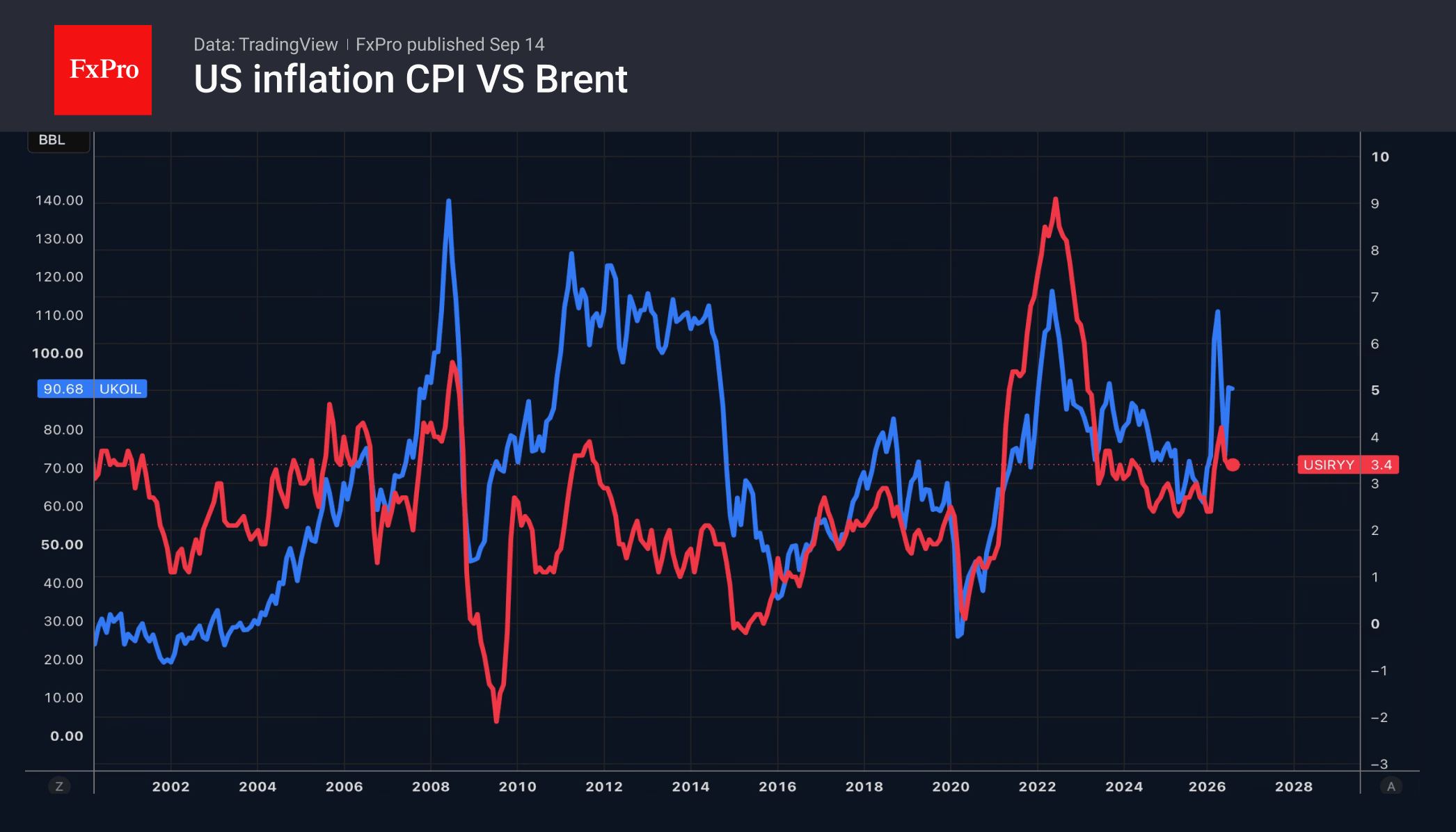
The Fed is nearing a new tightening cycle, supporting the dollar and weighing on gold, while USDJPY may resume its rise.

September 11, 2026
The euro failed to benefit from the ECB’s hawkish stance: markets are reacting more strongly to US inflation and rising expectations of a Fed rate rise.
September 10, 2026
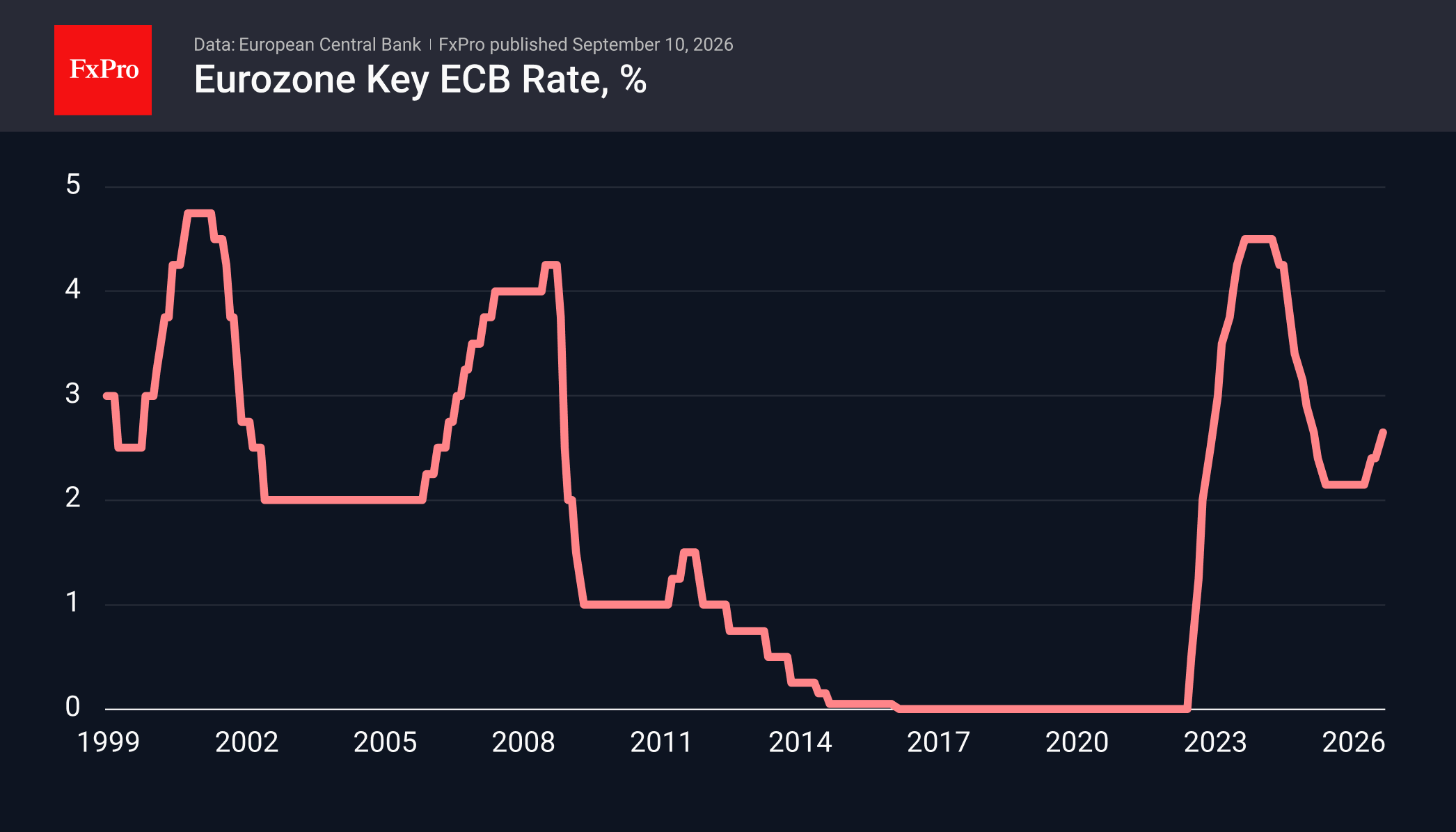
The ECB’s upbeat tone on the economy is unlikely to help the euro hold its ground.
September 10, 2026
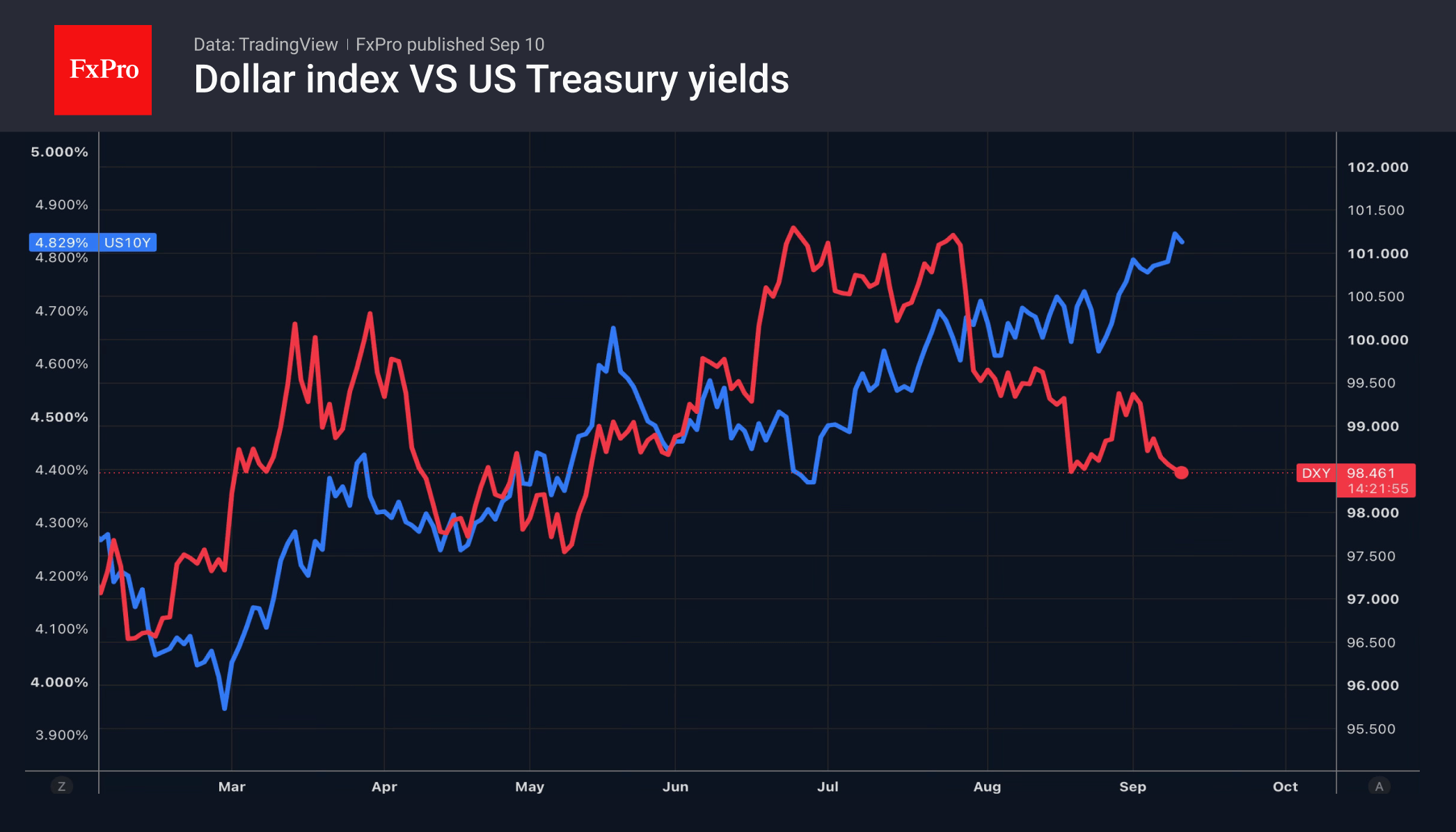
The US dollar has been falling for five of the last six days amid concerns over the Treasury’s intervention in the debt market, the ECB’s readiness to tighten monetary policy aggressively, and capital flows from the US to Japan. The.
September 9, 2026
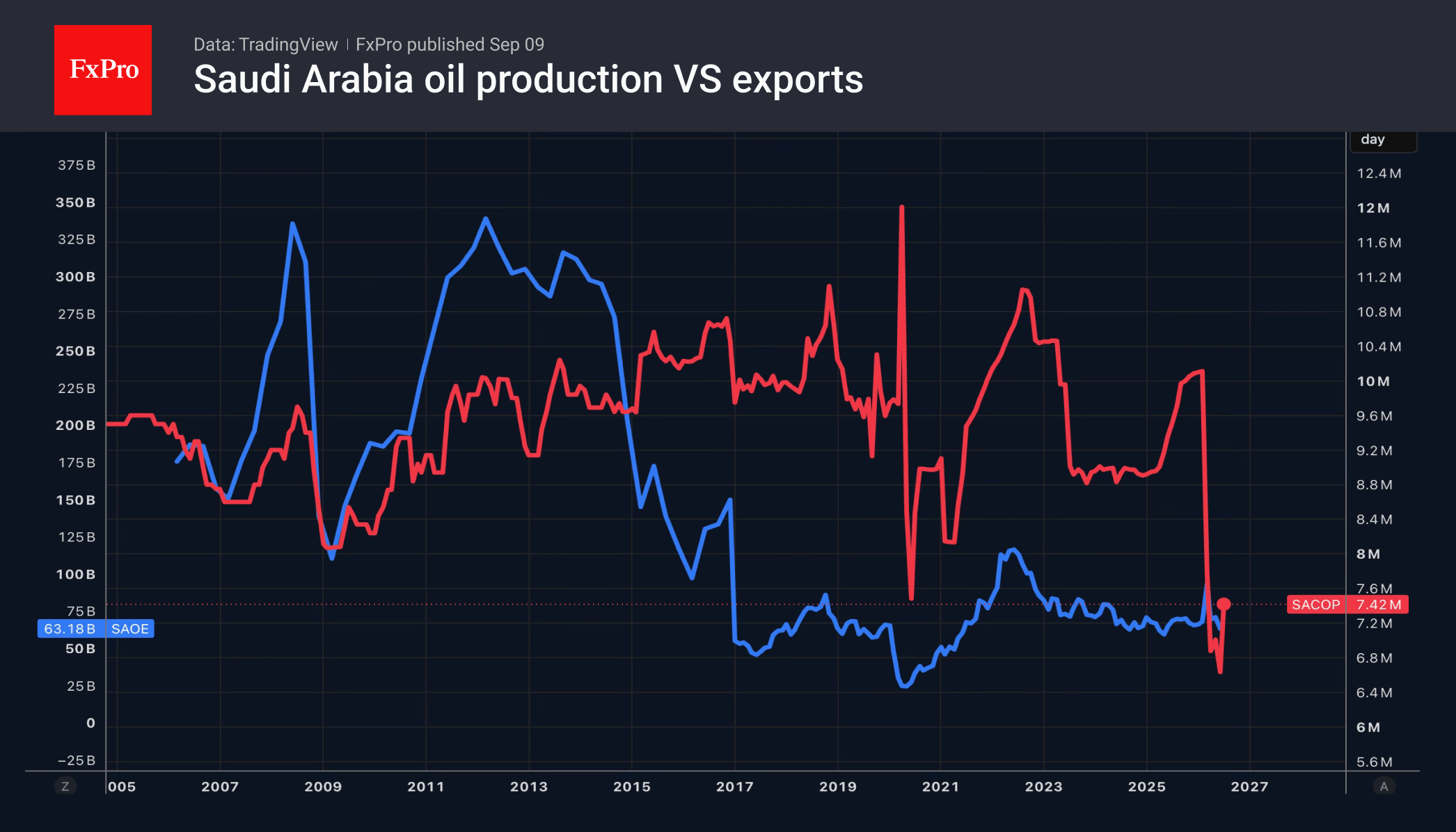
Brent has consolidated above $100 against a backdrop of escalating tensions in the Middle East, supply disruptions and a recovery in Chinese demand. Forecasts suggest a rise to $120–150.
September 9, 2026
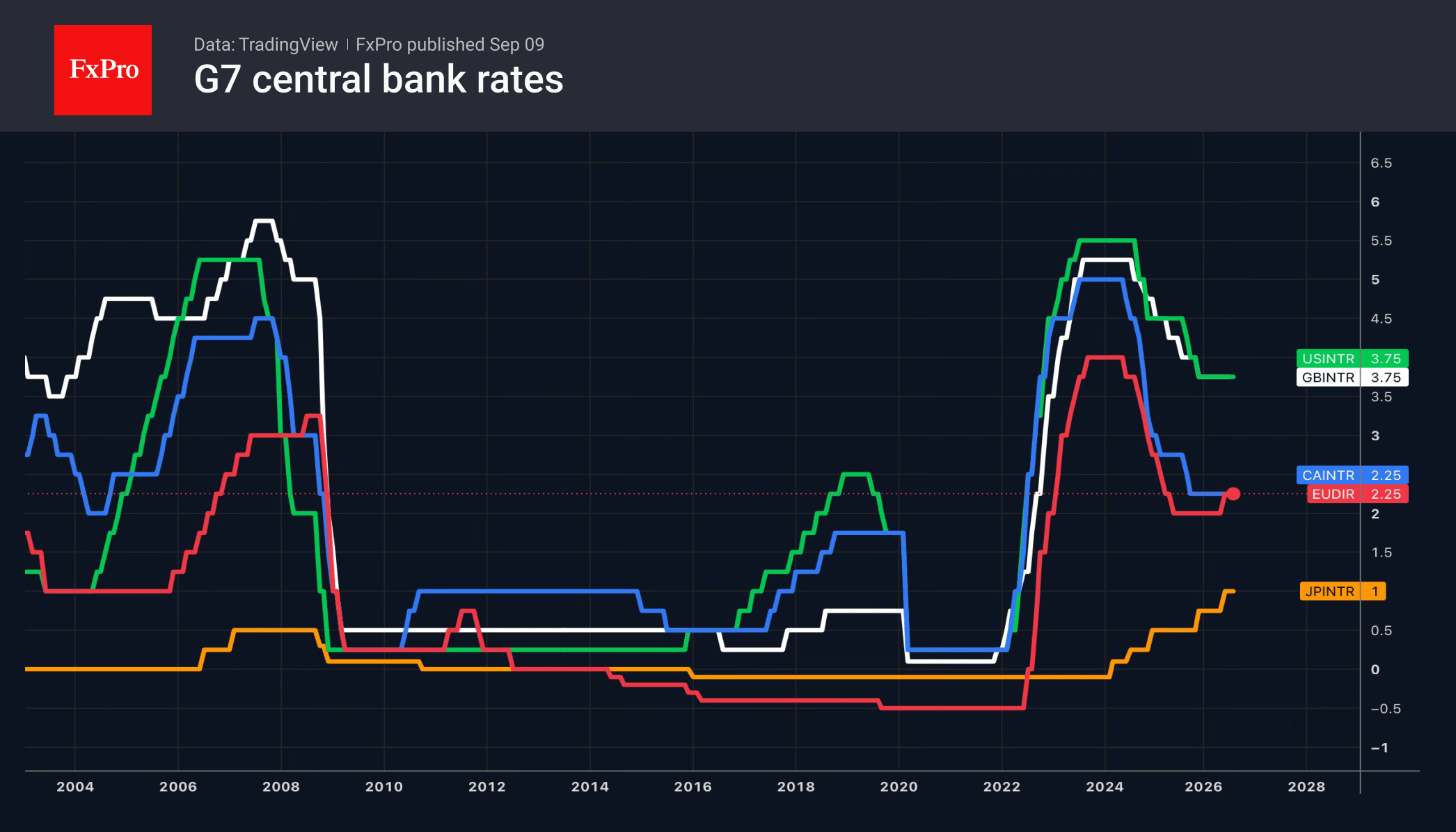
The US dollar shrugged off the favourable backdrop of rising oil prices, increasing Treasury yields, and falling stock indices. Investors anticipate that the Treasury will widen and deepen its buyback of long-term Treasuries, alongside hawkish rhetoric from the ECB. The.