


Market Overview
October 16, 2026
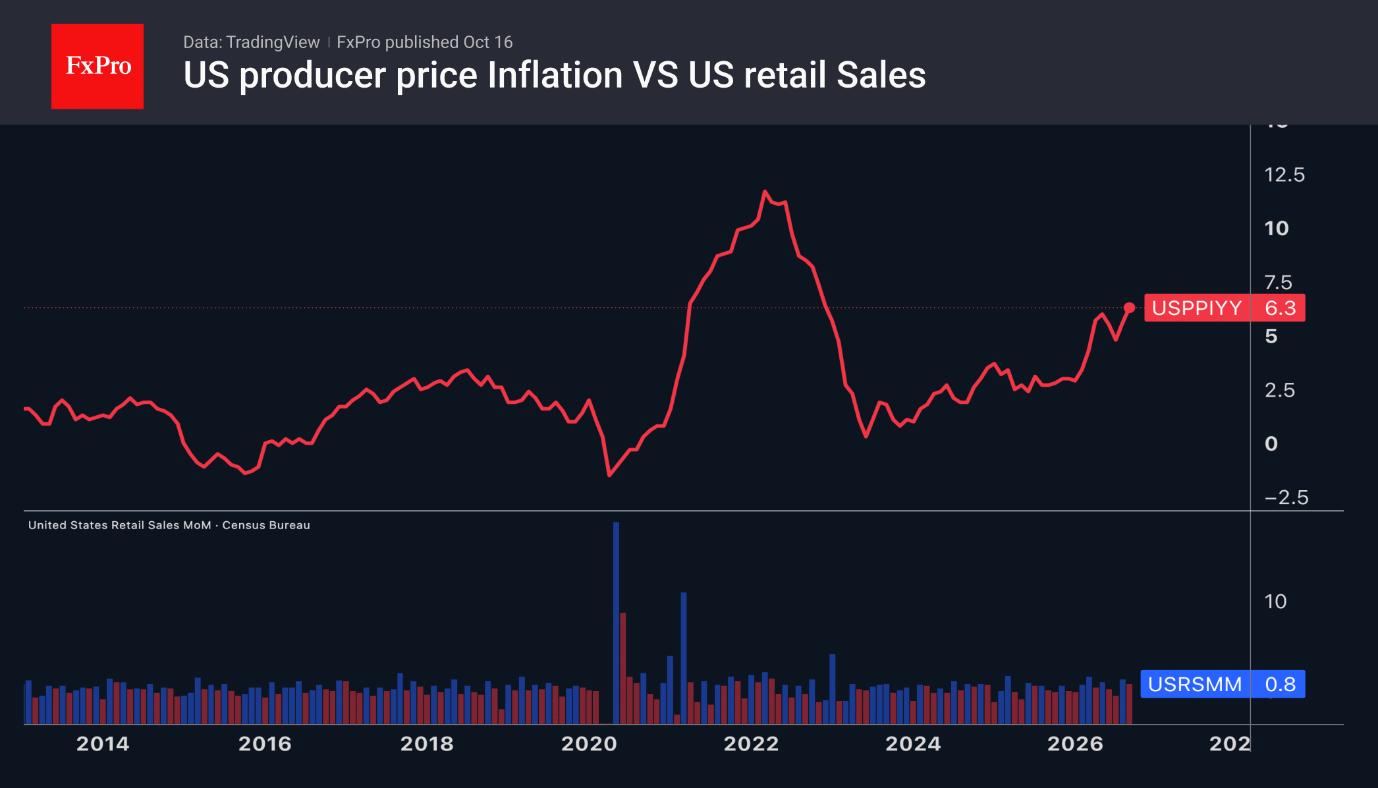
The dollar is weakening in line with Treasury bond yields, whilst the Australian dollar has come under pressure due to a deterioration in the labour market and reduced expectations of an RBA rate rise.
October 15, 2026
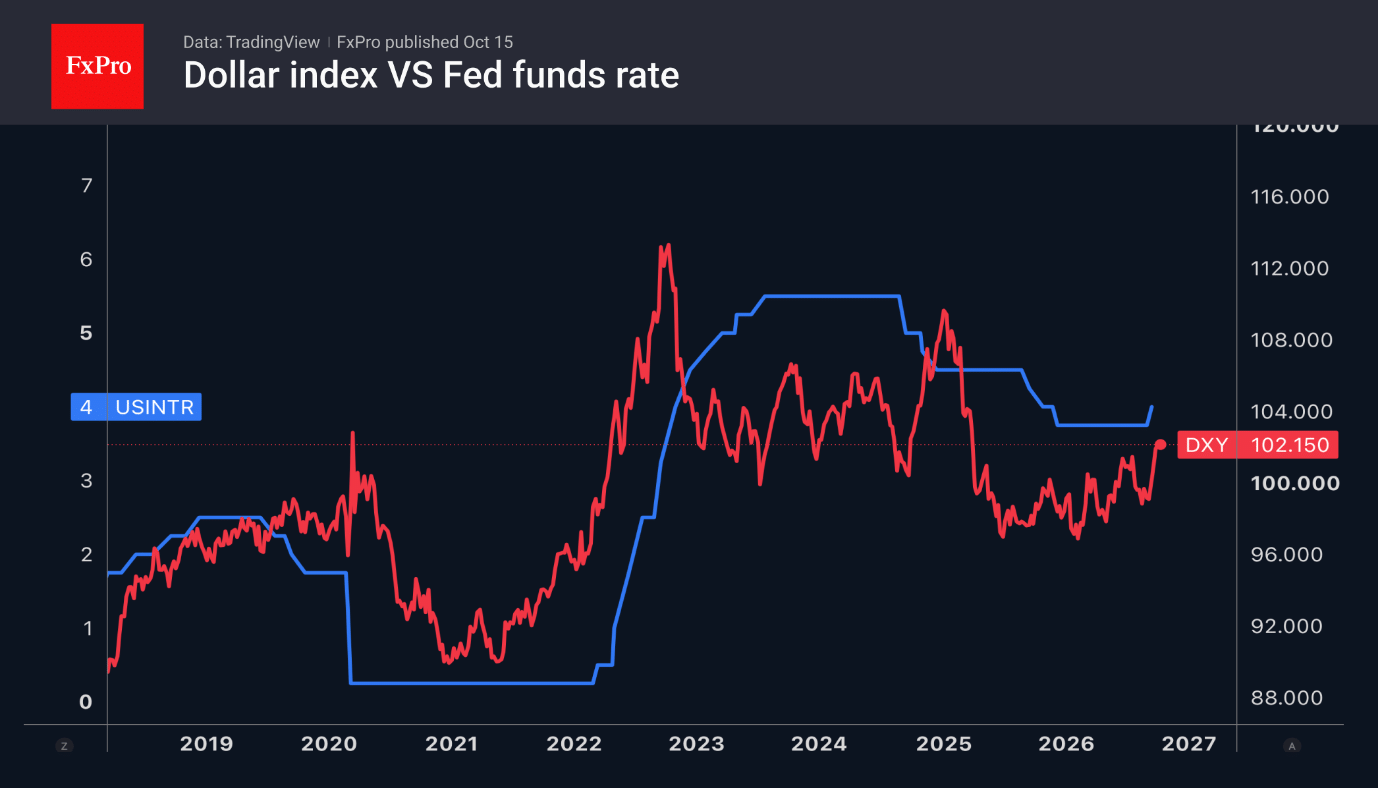
The yen gained on US dollar selling, verbal intervention and hawkish BoJ rhetoric. However, the wide yield spread still supports the USDJPY uptrend.
October 14, 2026
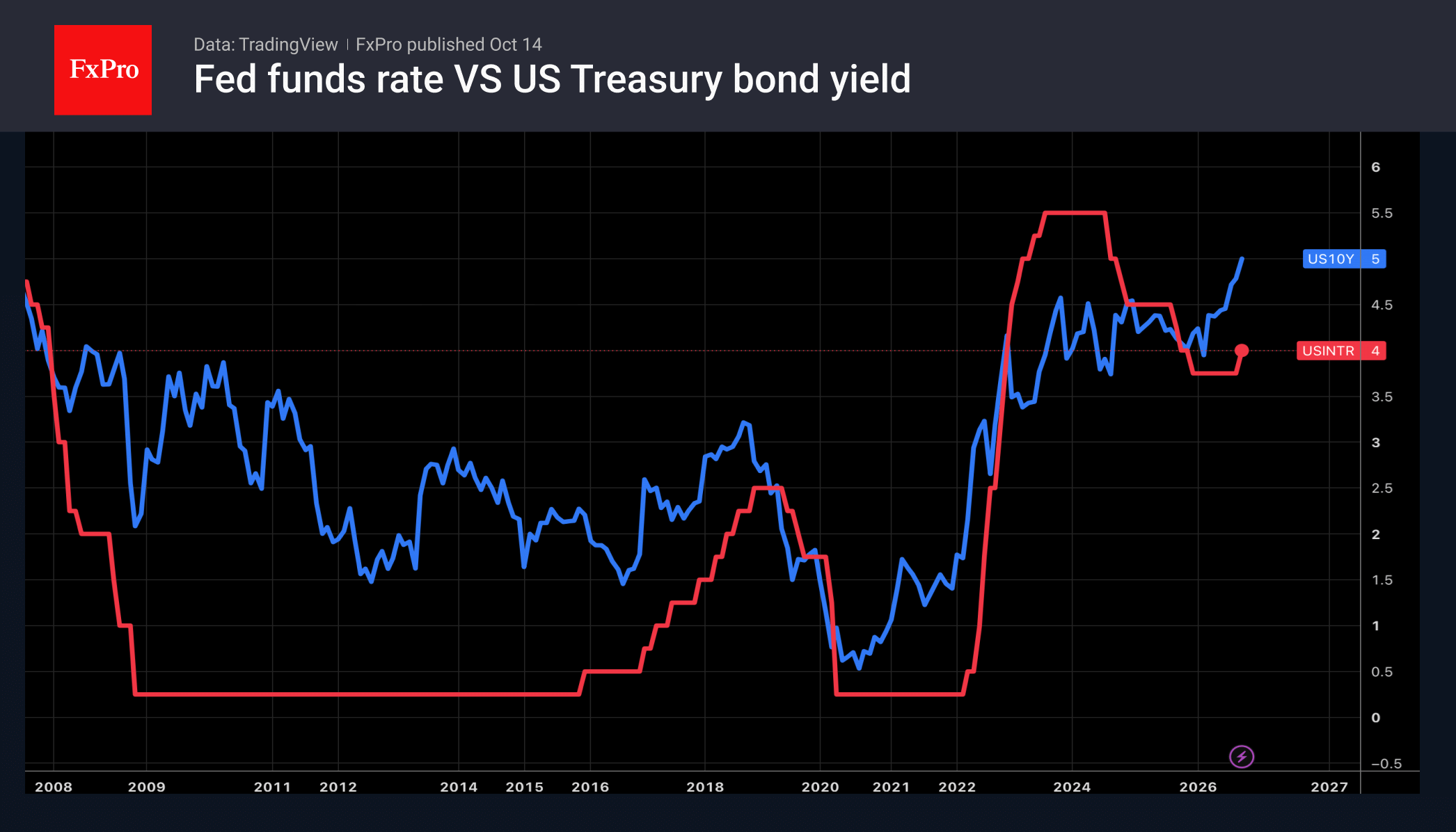
Falling Treasury yields are weighing on the dollar as the Fed resists further hikes. US CPI and equity-market moves will determine the USD’s next direction.
October 13, 2026
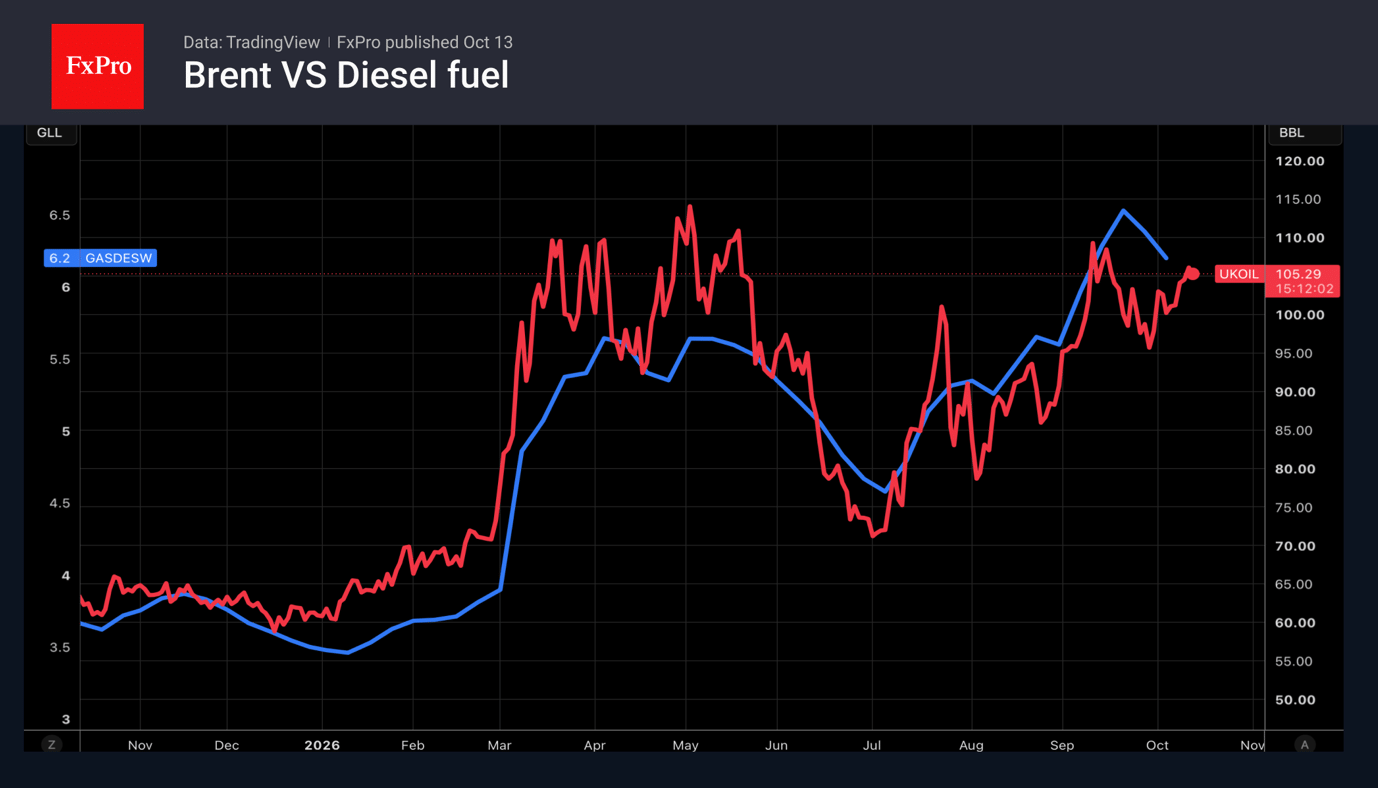
Reduced supplies from the Middle East and rising Chinese imports are supporting the Brent rally, exacerbating inflationary risks, pushing up bond yields and strengthening the dollar.
October 12, 2026
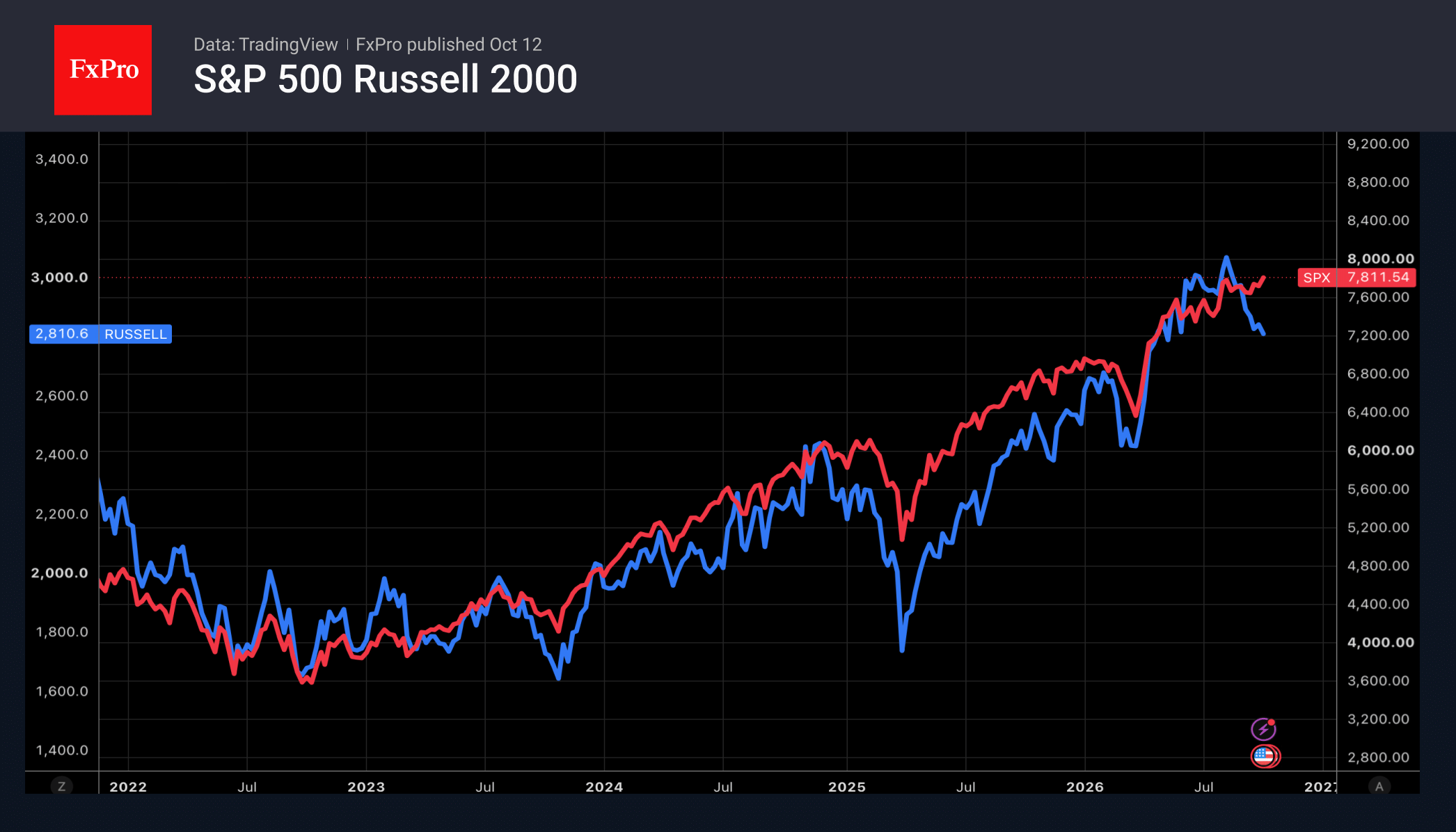
The S&P 500 rally is being supported by a strong economy and the AI boom, but its narrow scope, the weakness of the Russell 2000 and the risk of further Fed rate rises are heightening the threat of a correction.
October 12, 2026
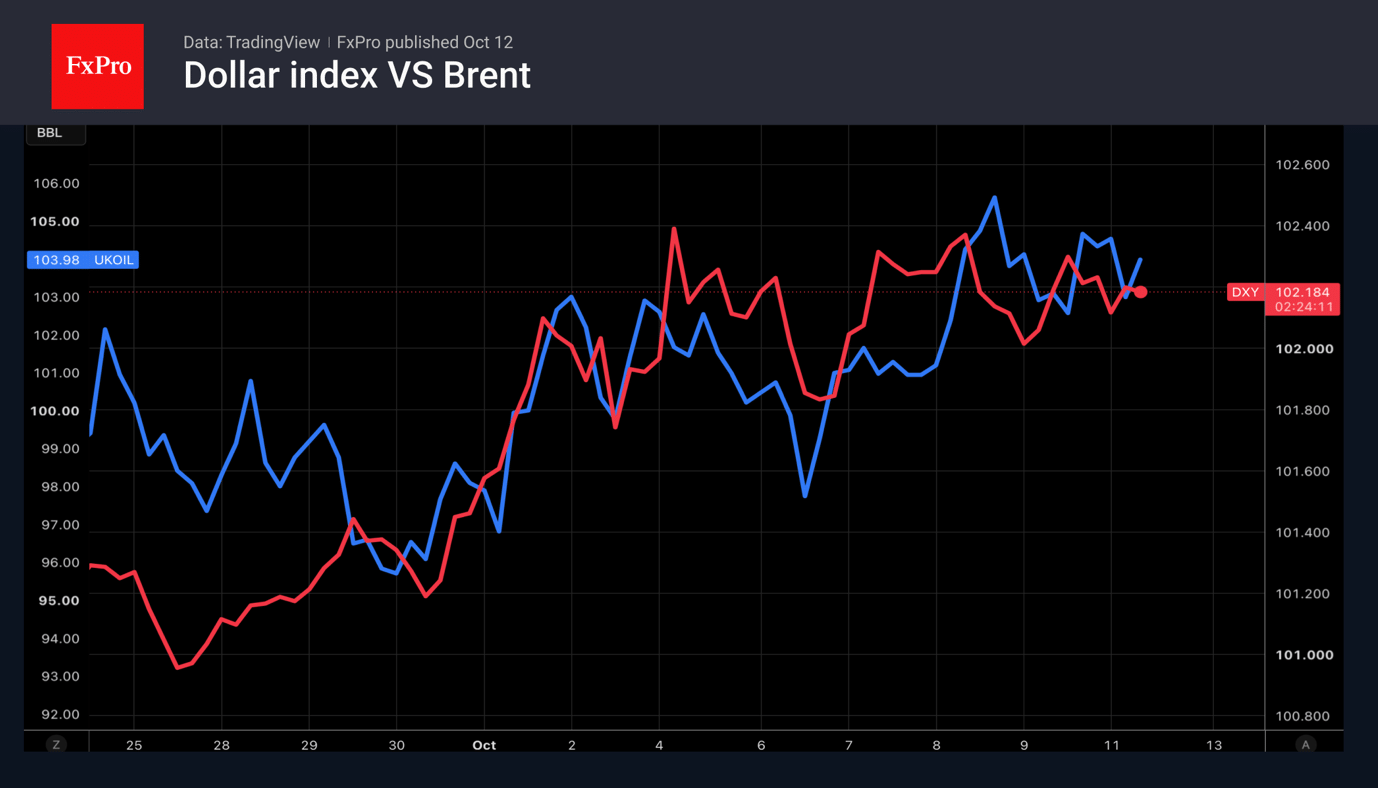
The dollar is supported by elevated Treasury yields and weakness in the euro amid the crisis in France. US inflation may shape expectations for the Fed’s next rate increase.
October 9, 2026
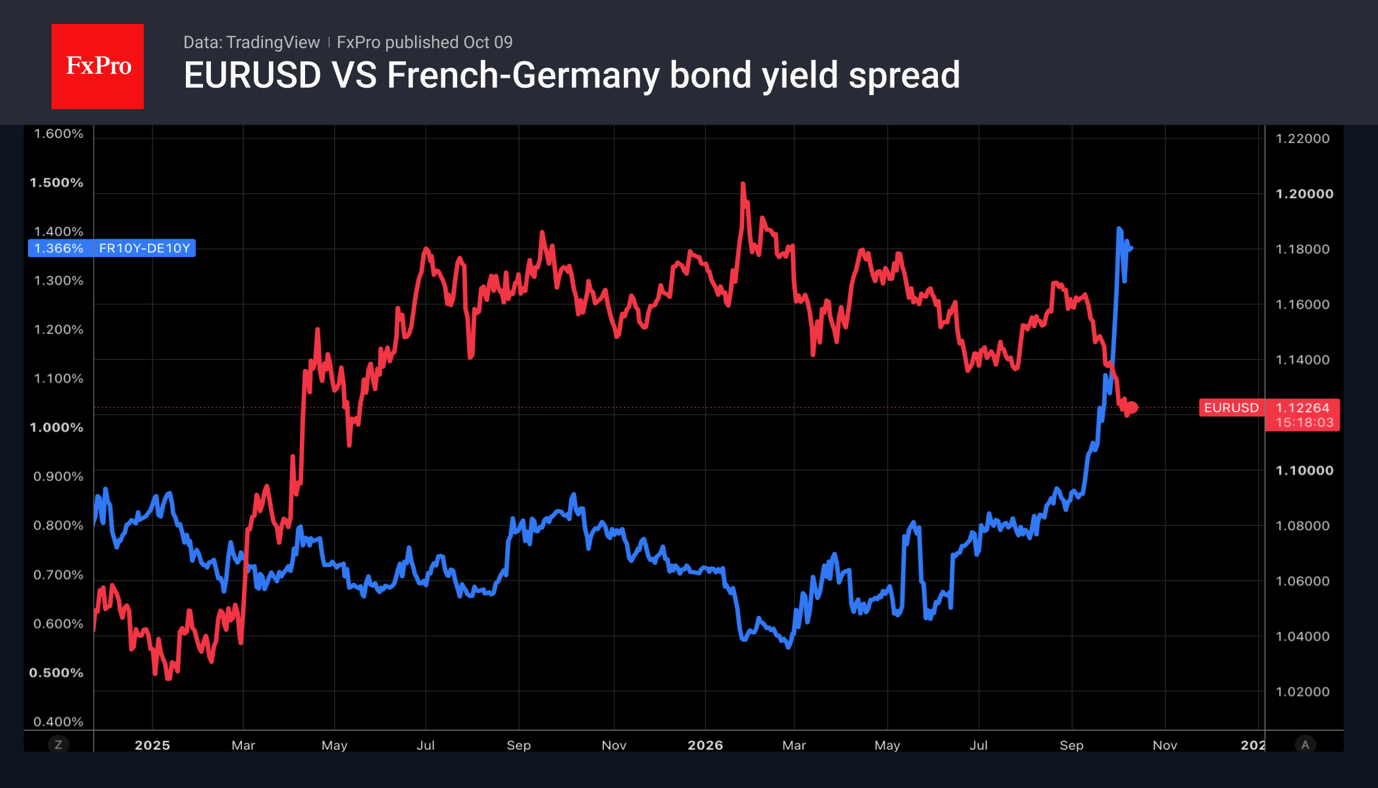
The US dollar retreated from recent highs against a backdrop of falling Treasury yields and oil prices. The return of funds to the secondary debt market following the Treasury’s successful auction of $22 billion worth of 30-year Treasuries, coupled with.
October 7, 2026
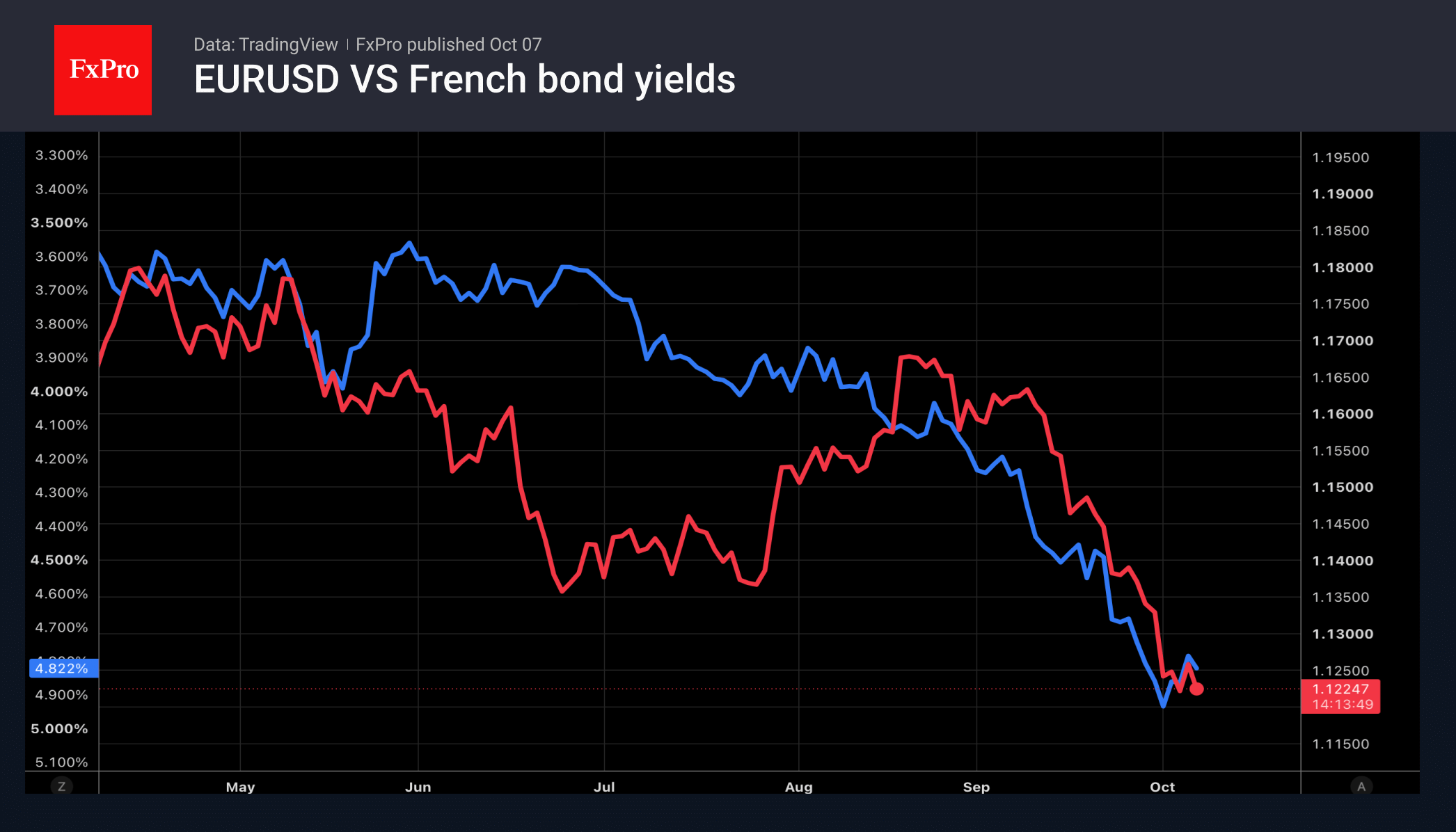
The dollar is strengthening against the backdrop of a strong US economy and demand for assets, whilst France’s debt risks, revised expectations regarding the ECB and the weakness of the euro are weighing on EURUSD.
October 7, 2026
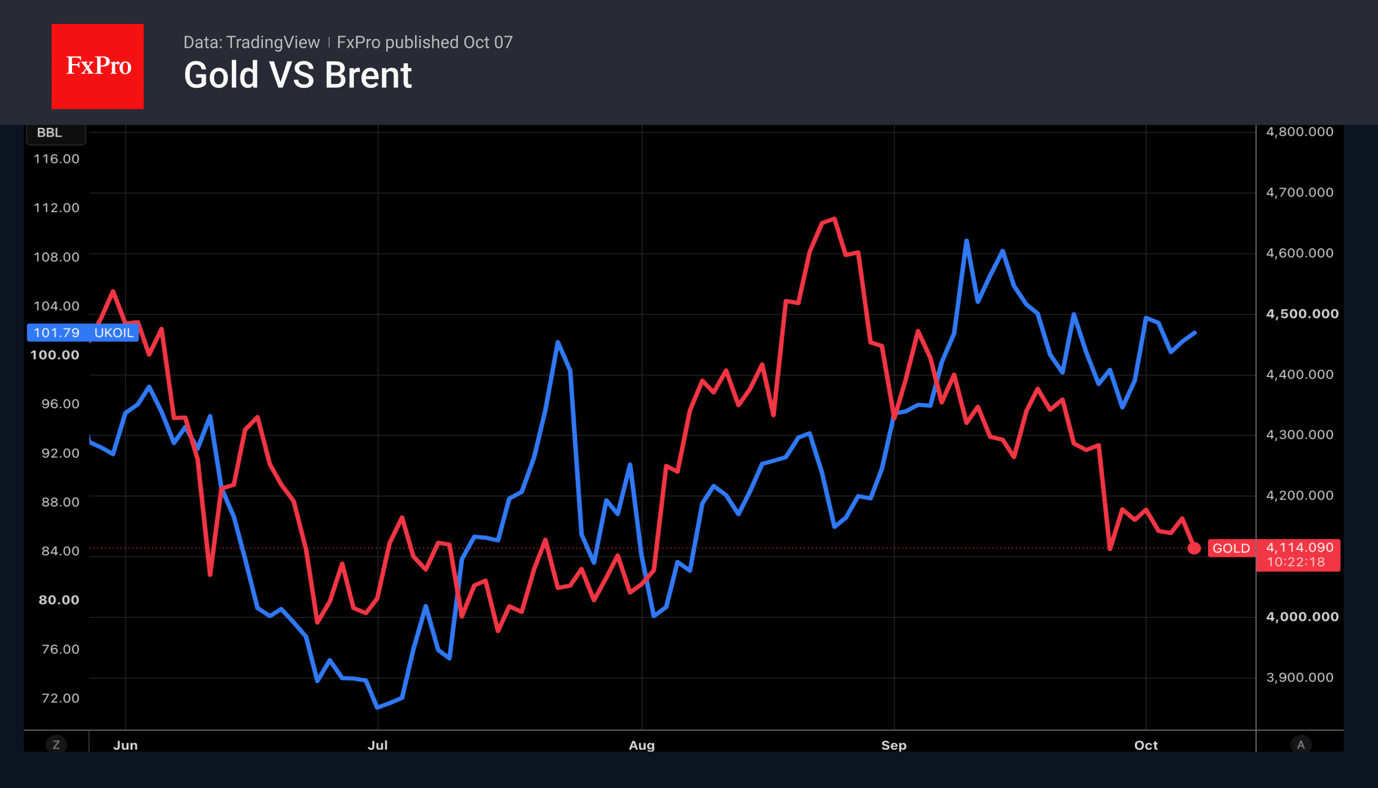
A strong dollar, rising yields and costly oil weigh on gold, while central-bank buying and firm physical demand support the outlook for a recovery.
October 6, 2026
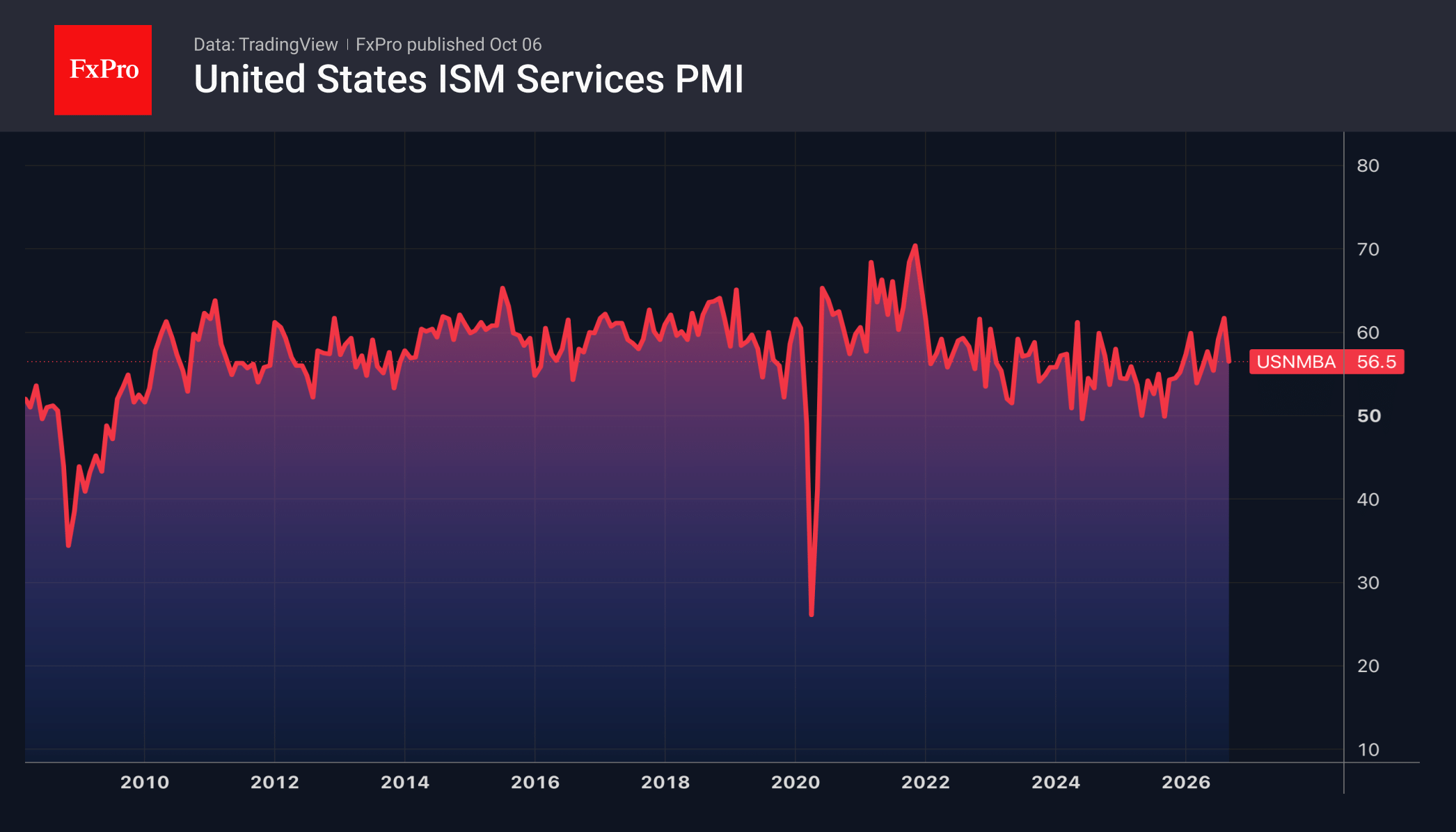
Brent is falling more slowly than WTI: the risk of supply disruptions is supporting the premium, although exports from the Middle East are recovering. High oil prices and political risks are weighing on the euro.
October 5, 2026
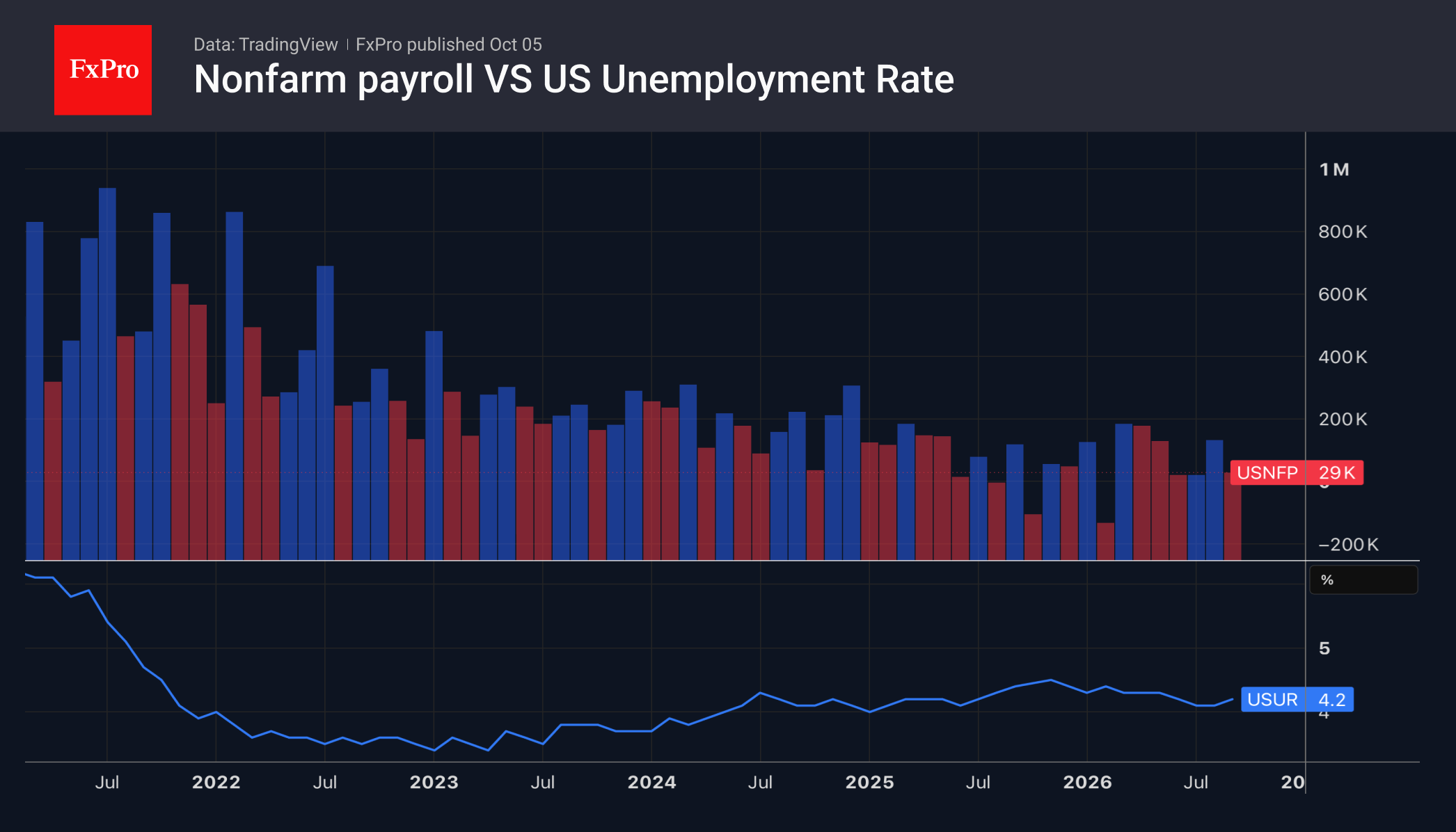
The dollar is strengthening against the backdrop of a resilient US labour market and fiscal risks in Europe, which are constraining the ECB. The euro and the yen remain under pressure.
October 2, 2026
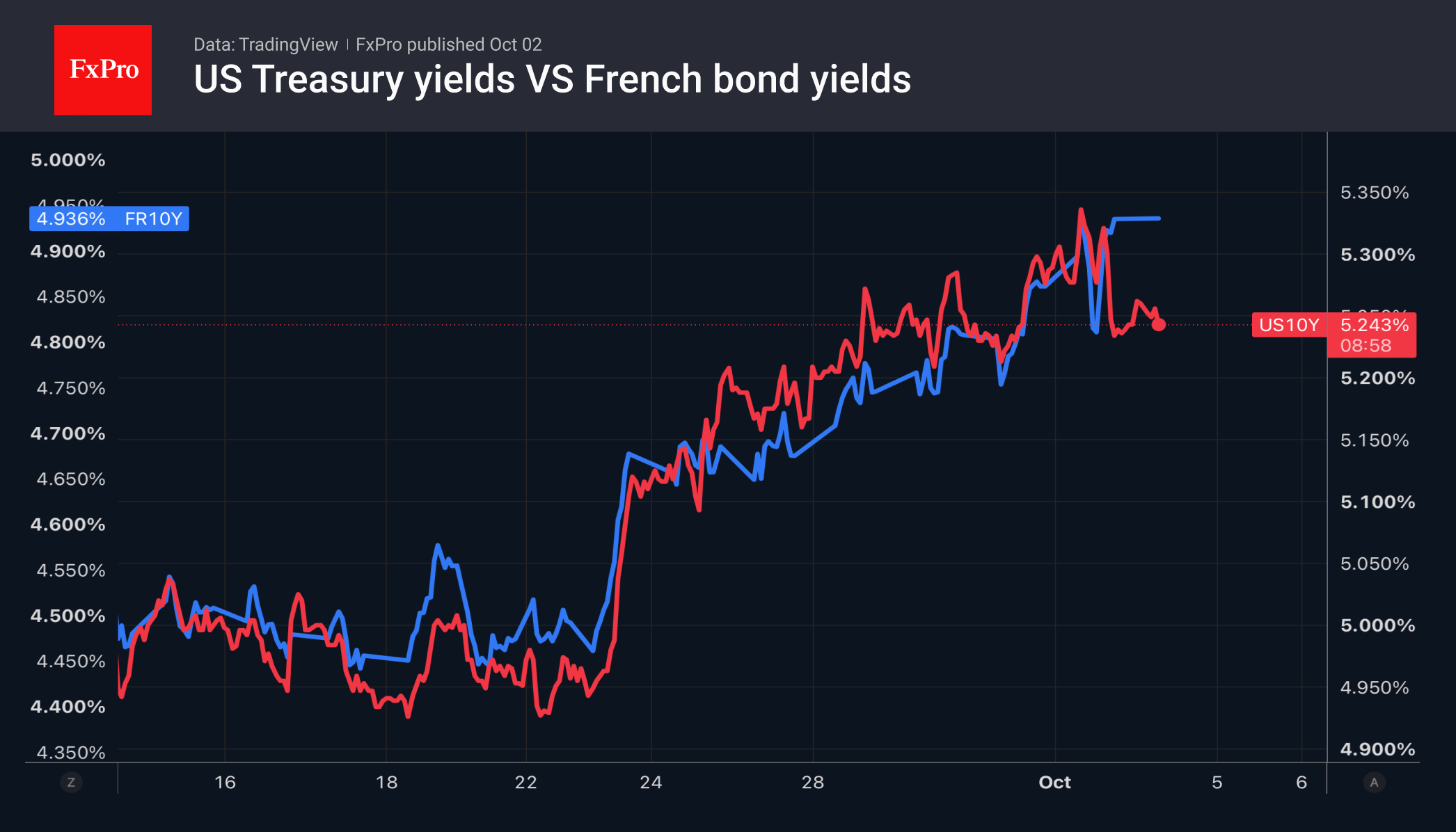
The dollar is strengthening on demand for safe-haven assets due to the crisis in Europe, despite the reduced likelihood of a Fed rate rise. The yen may strengthen if the Bank of Japan tightens policy.