


The yen balances risks
February 25, 2026 @ 17:57 +03:00
- There are both negative and positive aspects to the BoJ’s rate hike.
- The chances of monetary expansion by the Fed in June have fallen below 50%.
The rise in US stock indices and the consolidation of oil prices allowed EURUSD to find its footing. The bulls were not even fazed by the fact that, for the first time in a long time, the futures market reduced the chances of the Fed easing monetary policy in June to less than 50%. This was due to hawkish comments from FOMC officials.
Chicago Fed President Austan Goolsbee noted that, given the Fed’s mission to bring inflation to 2%, there may not be another cut in the federal funds rate. With inflation at 3%, it is not clear that monetary policy is restrictive. Boston Fed President Susan Collins believes that the labour market is showing new signs of stability. At the same time, the Fed needs more evidence that inflation is returning to target. In such conditions, the best solution is to keep rates higher for longer.
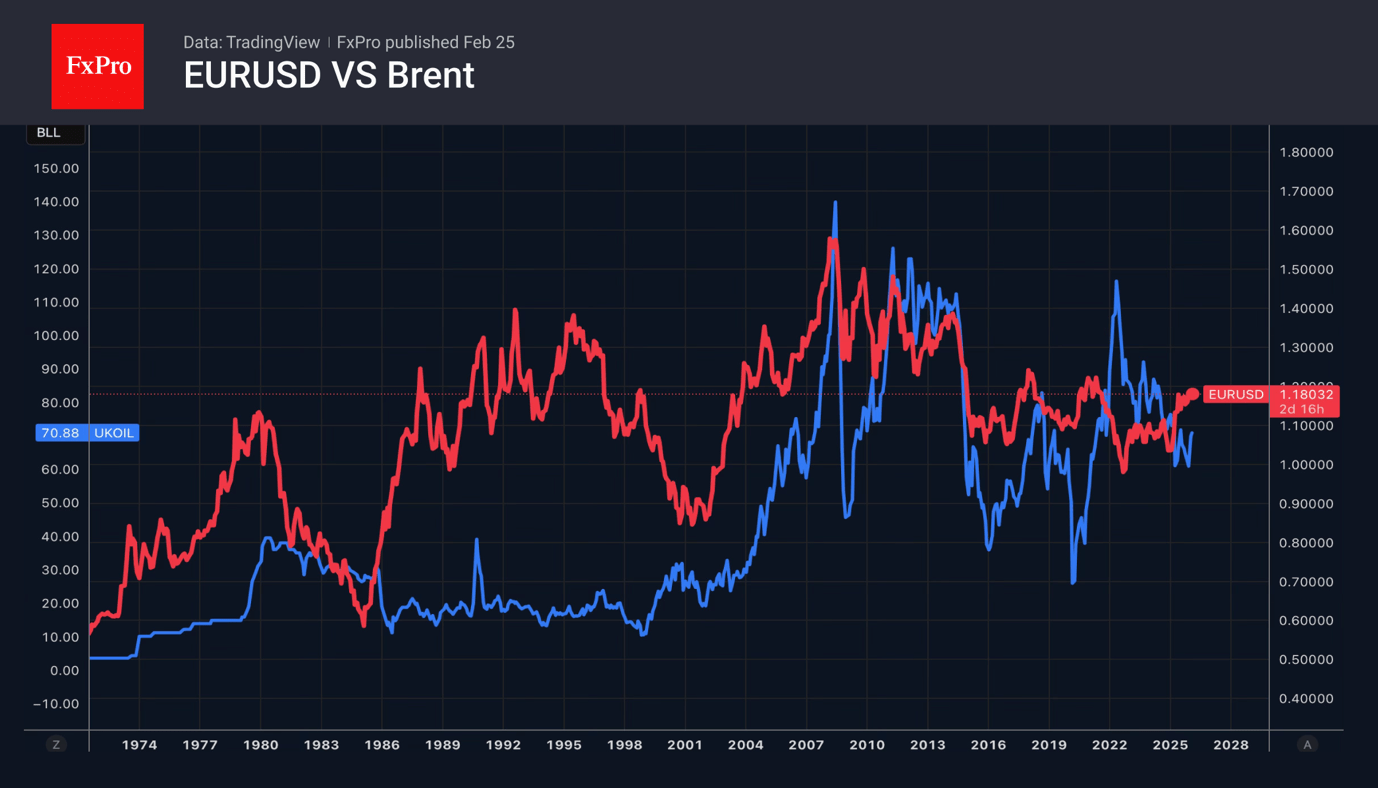
Nevertheless, investors in US stocks are gradually recovering from the S&P 500 sell-off caused by fears about the impact of artificial intelligence on the US economy. The growth in global risk appetite is putting pressure on the US dollar as a safe-haven asset. At the same time, the stabilisation of Brent is lending a helping hand to the euro. The eurozone is a net oil importer. Therefore, signs of de-escalation in the Middle East conflict are having a positive impact on EURUSD.
Meanwhile, China’s ban on exports of critical minerals to Japan and Sanae Takaichi’s signs of concern over the overnight rate hike accelerated the USDJPY rally. According to an insider at the local Mainichi newspaper, at a meeting with Kazuo Ueda, the prime minister expressed her concern about the tightening of monetary policy expected by the markets. This was confirmed by the government’s appointment of two new ‘doves’ to the BoJ’s Governing Board.
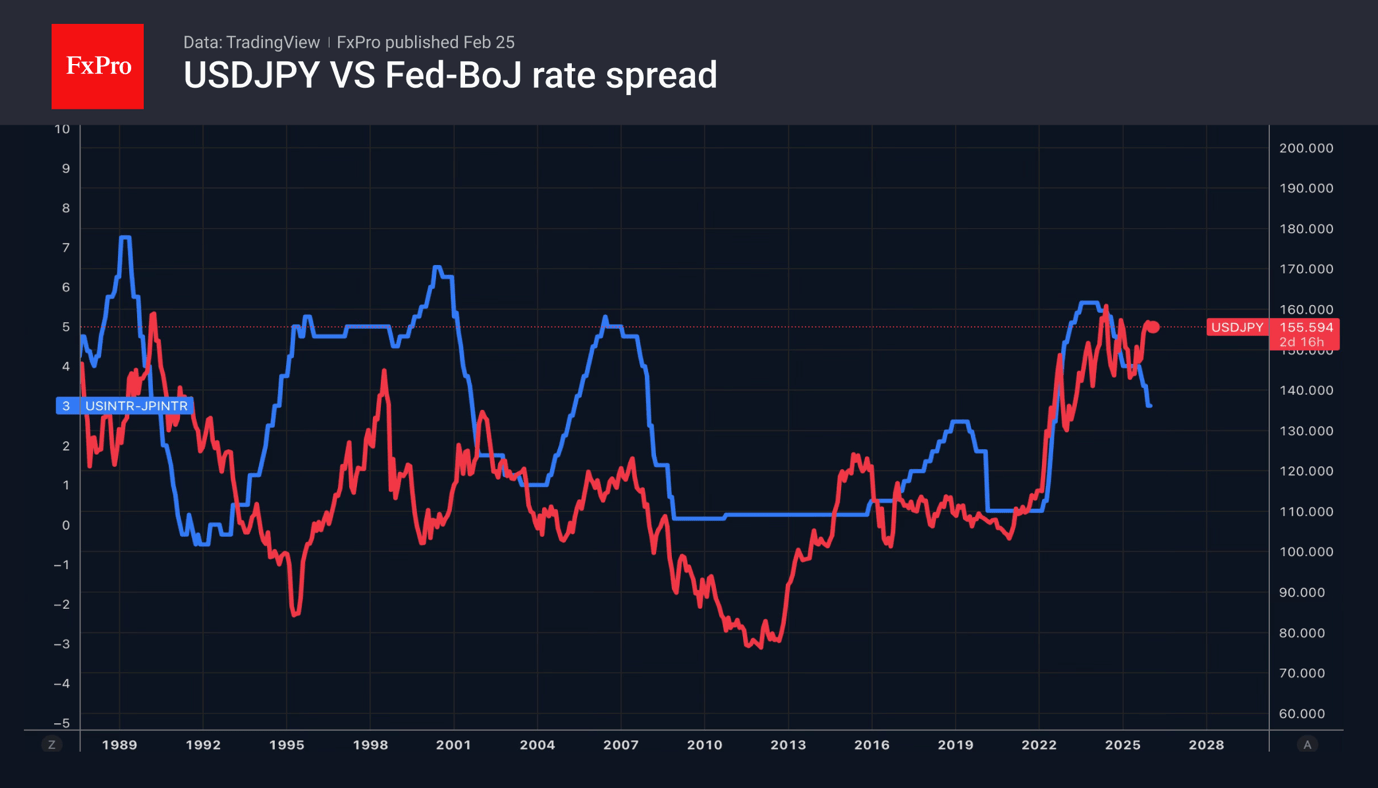
Rate hikes raise bond yields and increase the cost of debt servicing. This ties Sanae Takaichi’s hands in terms of fiscal stimulus. On the other hand, the Bank of Japan’s prolonged pause in the cycle leads to a weakening of the yen and accelerating inflation. The Prime Minister must find a delicate balance.

Gold rises and falls along with the S&P 500. This confirms the theory that investors periodically sell precious metals to cover margin requirements on stocks.
The FxPro Analyst Team