


Politics is weighing on the pound
May 05, 2026 @ 14:10 +03:00
- Labour risks losing the local elections, which could pressure GBPUSD.
- Japan may be able to afford further currency intervention.
The US dollar capitalised on the pullback in stock indices from record highs and the surge in Brent futures. Buyers of the USD index stepped up their pressure, driven by rising demand for safe-haven assets and a worsening economic outlook in the eurozone amid higher energy prices.
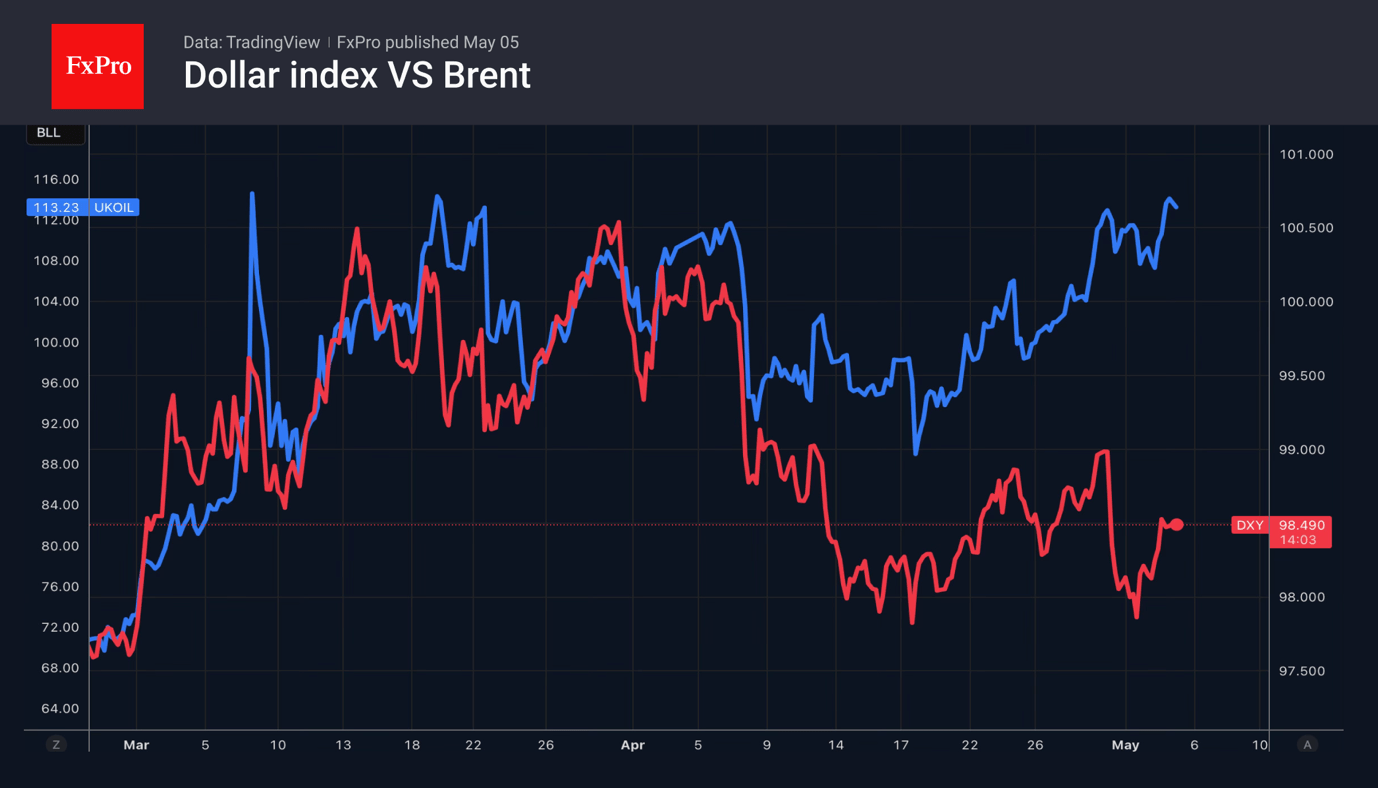
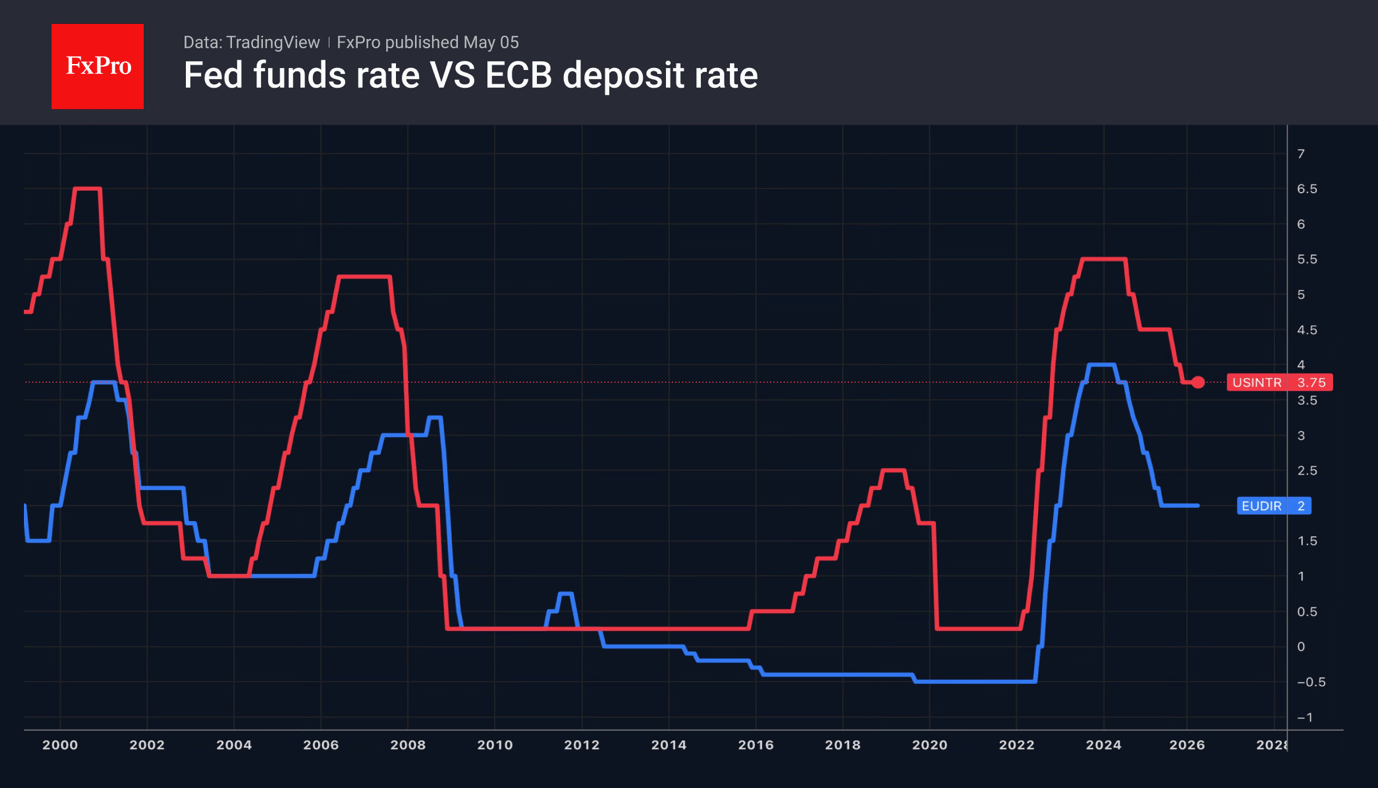
The escalation of the conflict in the Middle East has reignited investor interest in the US dollar as a safe-haven asset. At the same time, oil prices have risen, as have the risks of a surge in US inflation. To combat this, the Fed may raise interest rates this year, with the likelihood of such a move rising from 11% to 32%.
The Bundesbank is prepared to follow the ECB’s path of monetary tightening. According to Bundesbank President Joachim Nagel, the objective is clear: to bring inflation back to 2% in the medium term. If this does not happen, interest rates will have to be raised. Nevertheless, investors view such rhetoric as a ‘hawkish’ bluff. EU Economic Affairs Commissioner Valdis Dombrovskis argues that Europe is facing a stagflationary shock, as high energy prices are pushing the region towards higher inflation and slower GDP growth.
The yen’s appreciation over three consecutive days following currency intervention has prompted the Ministry of Finance to comment on the rules. The IMF regards this entire period as a single episode. Unless there are up to three such episodes within six months, the exchange rate regime will not be changed from a managed float to a free float. This means that Japan may resume selling USDJPY until 5 May.
The escalation in the Middle East and the approaching local elections in Britain are putting pressure on GBPUSD. Labour risks losing the vote due to Keir Starmer’s weakened approval ratings. Rising political uncertainty is driving volatility in the pound and a decline in its exchange rate.

The FxPro Analyst Team