


De-escalation undermines the greenback
July 27, 2026 @ 13:20 +03:00
- The ceasefire in the Middle East has disrupted the greenback’s plans.
- Strong PMI data and falling oil prices are helping the euro.
The US dollar faced a downward gap at the start of the week as the Middle East de-escalation of the conflict came as an unwelcome surprise to speculators who had built up net long positions in the USD index to their highest levels since 2015. Formally, the Fed now has fewer reasons to fight inflation.
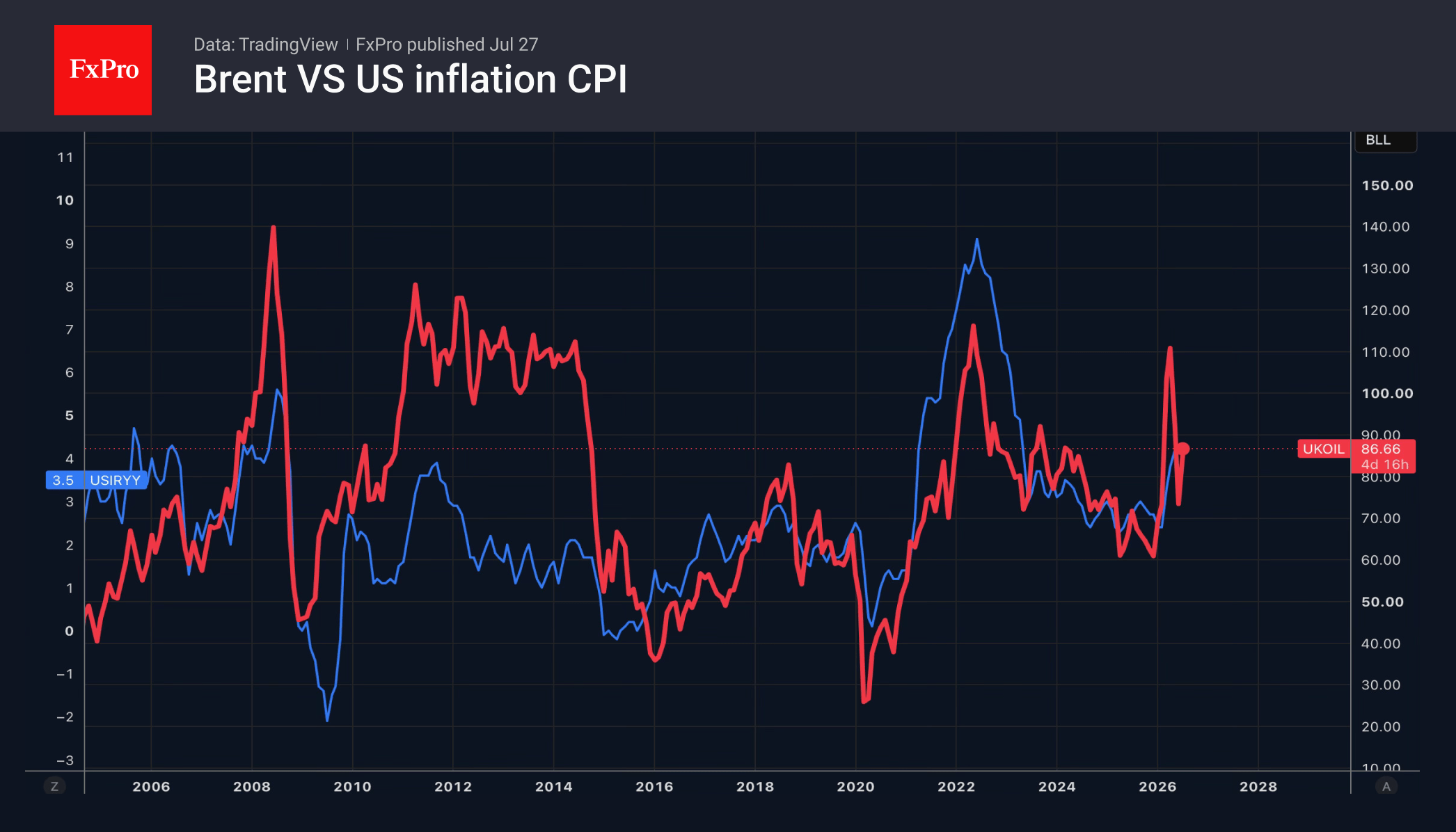
The doves on the FOMC are sure to insist on a pause following disappointing US employment and inflation data. The hawks could have used the rise in geopolitical tensions in the Middle East as a trump card. As the conflict unfolded, the rally in oil prices would sooner or later have affected US core inflation via second-order effects. De-escalation makes the upcoming Fed meeting more predictable and deprives the dollar of an important advantage.
Other currencies are capitalising on the greenback’s weakness. The first rise since March in the eurozone’s composite PMI above 50, the threshold between growth and decline, signals positive shifts in the currency bloc’s economy, which is good for the euro. EURUSD initially ignored the signal, but the ceasefire in the Middle East has allowed investors to take note of it. The region’s resilience to oil market shocks may allow the ECB to raise interest rates without concern.
Nevertheless, Commerzbank believes that a de-escalation of the conflict between the US and Iran will not necessarily strengthen the euro, even though this news is positive for the European economy. A reduction in geopolitical risks and a fall in oil prices will lessen the likelihood of the ECB tightening monetary policy. And the prospect of one or two monetary tightening measures is already priced into the EURUSD rate.
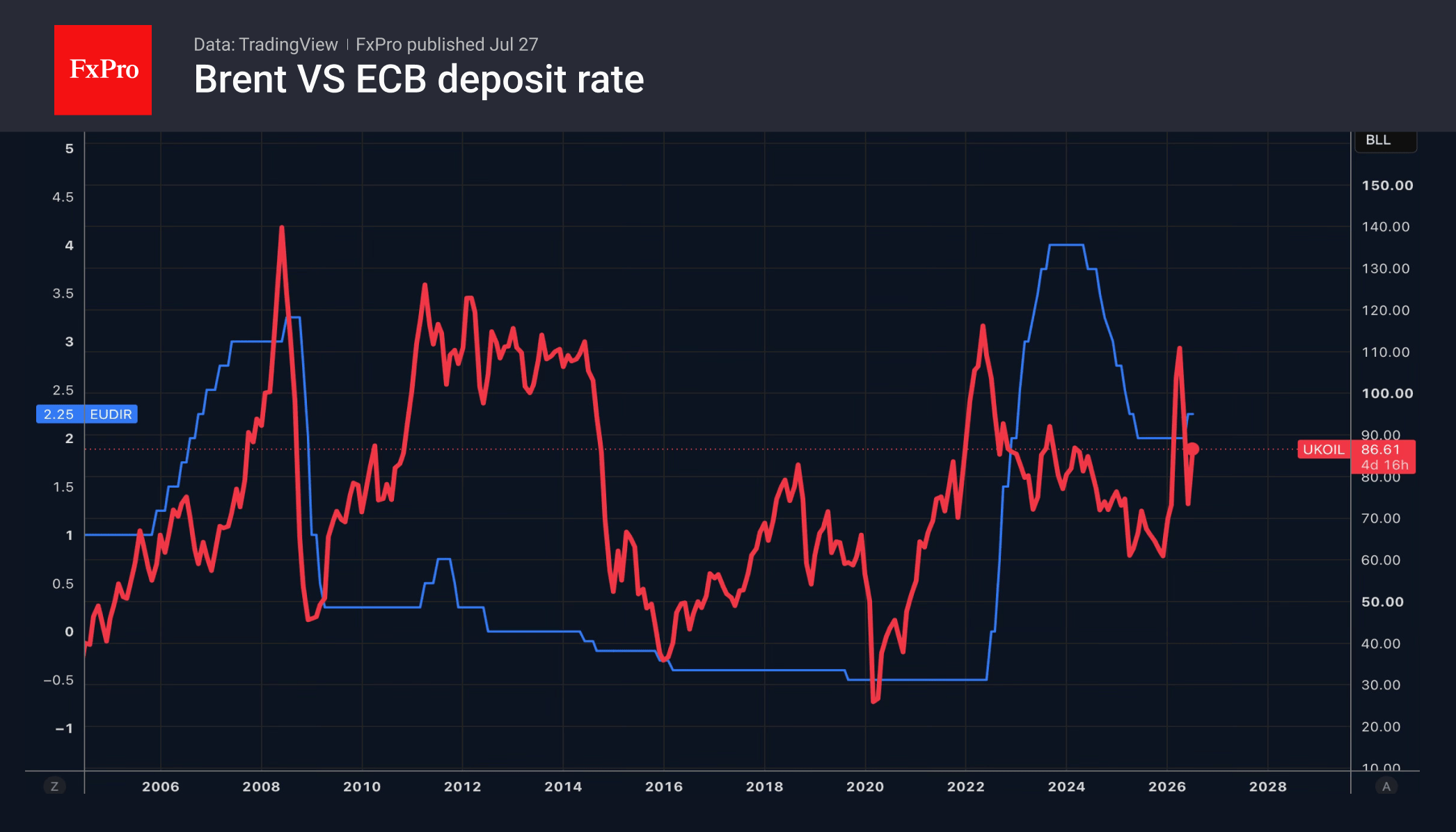
However, for dollar-denominated currency pairs, the Fed’s reluctance to raise rates is more significant. This is particularly true in the run-up to the FOMC meeting. ABN Amro believes the pause will last until the end of 2026, as the conflict in the Middle East will end sooner than the markets expect.

The US dollar’s retreat has helped the bears on USDJPY, as have rumours that the Bank of Japan will prove far more hawkish at its July meeting than might be expected. The forward market is pricing in a 32-basis-point rise in the overnight rate in 2026, but the BoJ’s emphasis on a faster pace of monetary tightening will support the yen.
The FxPro Analyst Team
