The number of people in work in Britain fell by the most since 2009 in the three months through June as the coronavirus crisis took a heavy toll on the labour market, even with the government’s huge jobs protection scheme still in place. Led by a record plunge in self-employed workers, there were 220,000 less people employed in the second quarter, the Office for National Statistics said. Separate tax data for July showed that the number of staff on company payrolls had fallen by 730,000 since March, sounding the alarm about a potentially much bigger rise in joblessness.
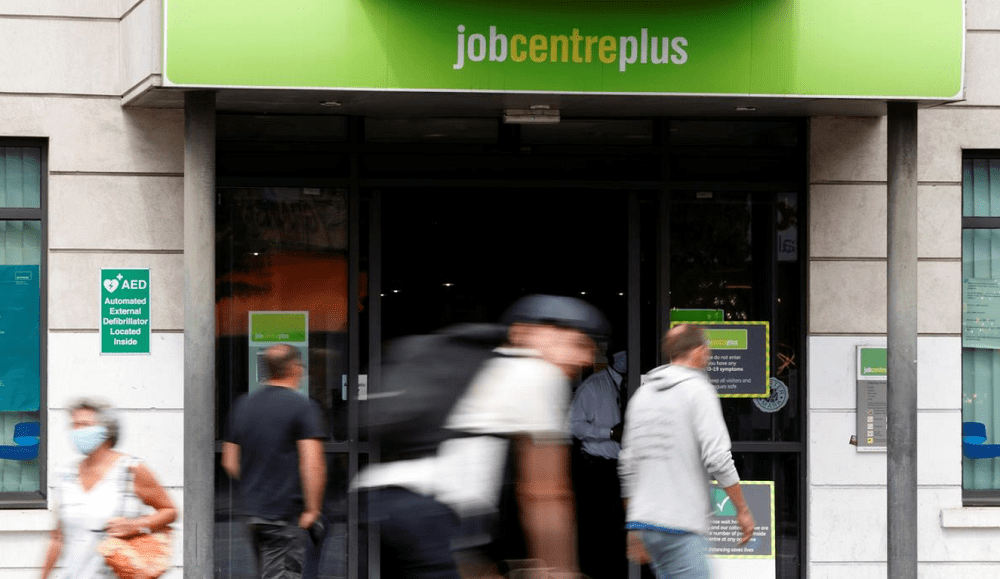
Mounting job losses are expected as Britain winds down its job retention scheme which protects employees. It is due to close at the end of October. British finance minister Rishi Sunak said the figures showed the government’s support programmes were working but job losses were inevitable. The unemployment rate unexpectedly held at 3.9% but that reflected an increase in people who had given up looking for work and who were therefore not considered to be unemployed, and people who said they were in work but were getting no pay.
Economists polled by Reuters had expected the unemployment rate to rise to 4.2%. Last week the Bank of England forecast the jobless rate would hit 7.5% at the end of this year. The number of self-employed people fell by a record amount in the three months to June, led by older workers, while the number of employees rose – something the ONS said was partly accounted for by workers reclassifying themselves as employed.
UK suffers biggest job losses since 2009 as COVID hits, Reuters, Aug 11