- The escalation of the conflict in the Middle East has boosted demand for the US dollar.
- Washington and Tehran may be strengthening their positions ahead of negotiations.
The US dollar opened the week with a 0.2% gap upwards, driven by increased demand for safe-haven assets. EURUSD has opened with a downward gap for the second five-day period in a row due to signs of an escalating conflict in the Middle East. First, talks between the US and Iran broke down; now, reports suggest a second round may not take place. No sooner had Tehran announced the opening of the Strait of Hormuz to commercial vessels than the Americans seized one of its tankers. However, it should be noted that the initial fear is being washed out of the market rather quickly. It seems that major players are discerning positive dynamics amidst this chaos.

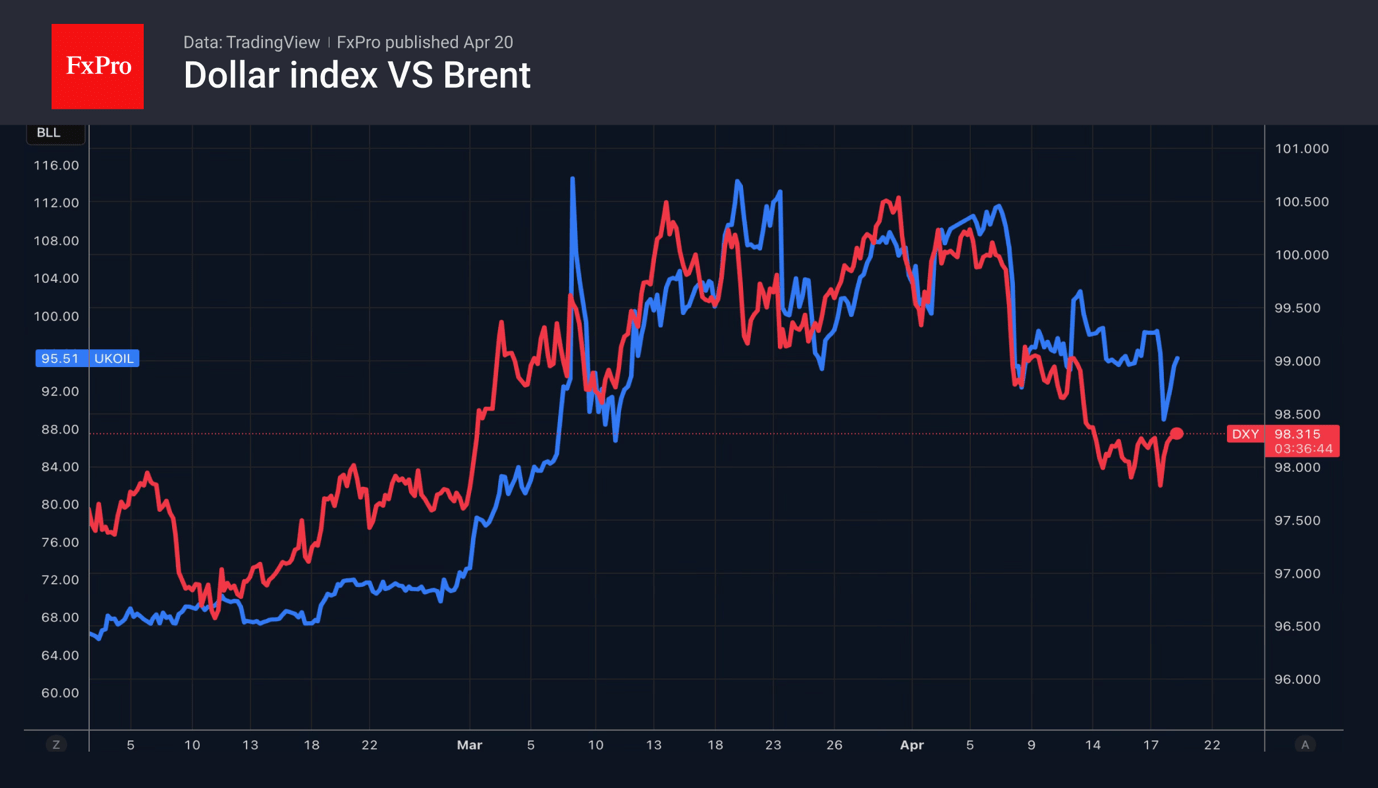
On Tuesday, 21 April, the ceasefire expires. Donald Trump is threatening further air strikes if Iran does not agree to a deal. Investors realise they have gone too far in their desire to jump onto the last carriage of the EURUSD train heading north. The markets, like the US president, have been mistaking wishful thinking for reality. It is time to shed these illusions. An escalation of the conflict in the Middle East risks triggering a renewed rally in oil and the USD index.
The longer the Strait of Hormuz remains blocked, the worse the consequences for the global economy will be. The threat of soaring consumer prices is becoming increasingly real. According to FOMC member Christopher Waller, if inflationary risks outweigh the risks of unemployment, the Fed will have to keep rates at their current level even if the labour market continues to cool. If one of the central bank’s key ‘doves’ says so, the others may start to consider tightening monetary policy. This would support the US dollar.
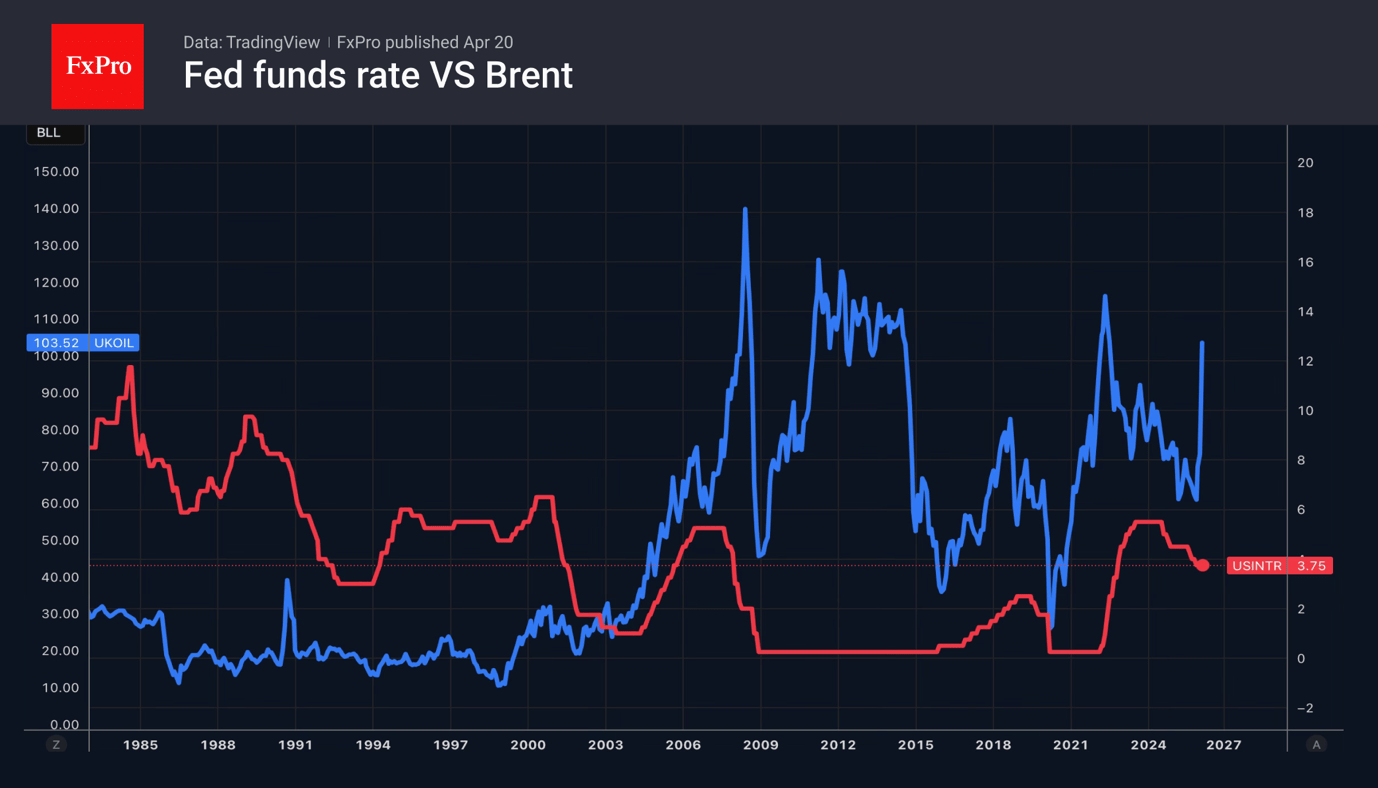
Signs of stagflation may emerge in the economic calendar. Data on business activity in the eurozone, the UK and the US could signal accelerating inflation and slowing economic growth. This would put central banks in an extremely difficult position. Given the ECB’s reluctance to raise its key rate in April, this could provide an opportunity for the bears to launch a counterattack on EURUSD.
The strengthening of the US dollar has caused gold to retreat on fears of accelerating inflation, which will force central banks, led by the Fed, to tighten monetary policy. However, traders are in no hurry to force the issue. The aggressive rhetoric from Washington and Tehran may be nothing more than a desire to strengthen their own positions ahead of the negotiations.
The FxPro Analyst Team